Strengthening MPA Management Effectiveness in the Pacific Islands Training – New Zealand, 2026

Map of countries and territories reached with RRN training
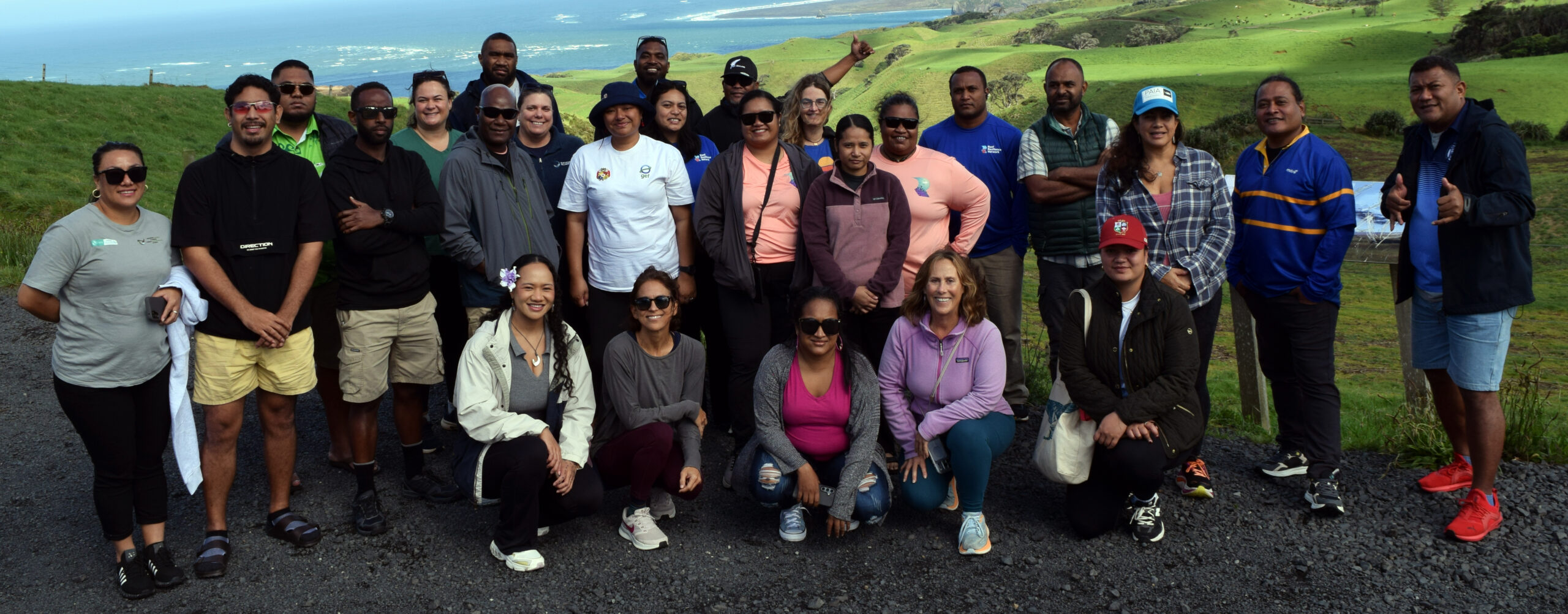
Participants posing for a group photo in New Zealand

In November 2026, the Reef Resilience Network hosted 23 marine managers from the Federated States of Micronesia (Yap), Fiji, Palau, the Republic of the Marshall Islands, Samoa, Solomon Islands, Tonga, and Vanuatu for the Strengthening MPA Management Effectiveness in the Pacific Islands Training in Auckland, New Zealand. 

This weeklong training was the culmination of a year-long collaboration with the Blue Nature Alliance (BNA) and the Secretariat of the Pacific Regional Environment Programme (SPREP). Starting with scoping to understand the capacity needs of Pacific MPA managers, the collaboration aimed to strengthen Marine Protected Area Management Effectiveness (PAME) across the Pacific by building marine managers’ skills to assess the management of their MPAs and identify areas for improvement. 

Over the week, managers learned the foundations of PAME and how to apply a PAME assessment tool at one of their own sites. Managers then learned to use the tool results for adaptive management by defining prioritized actions to make progress towards key outcomes. 
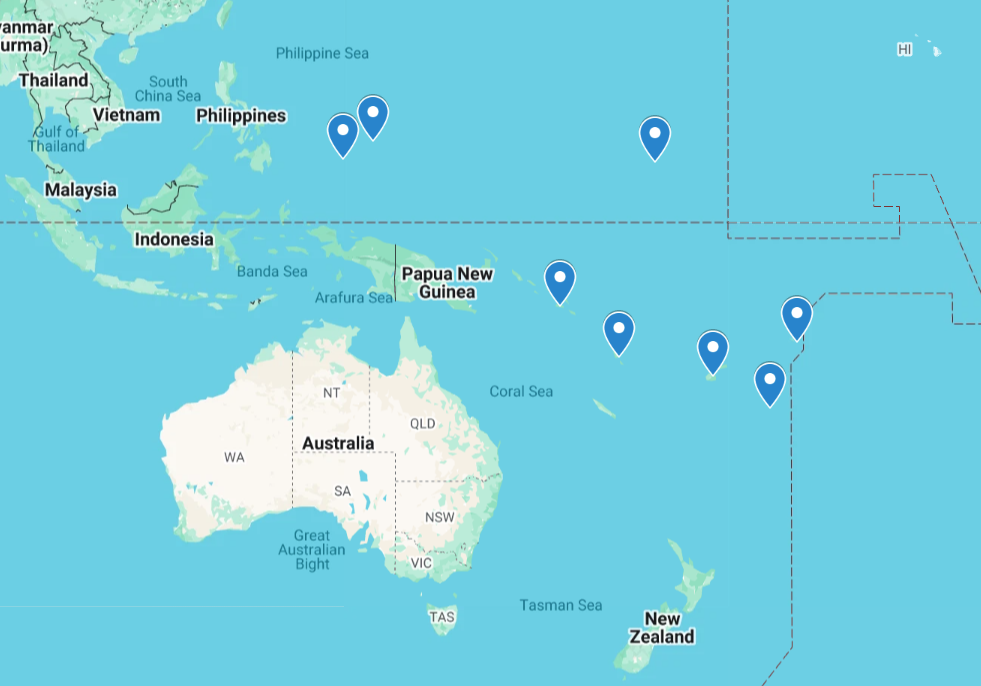
map showing the location of participant countries

The training grounded PAME assessments in the foundations of management effectiveness, covering elements such as: 

  • developing theories of change
  • the key components of PAME
  • implementing a PAME assessment for priority sites in their home countries
  • using PAME assessment results for adaptive management

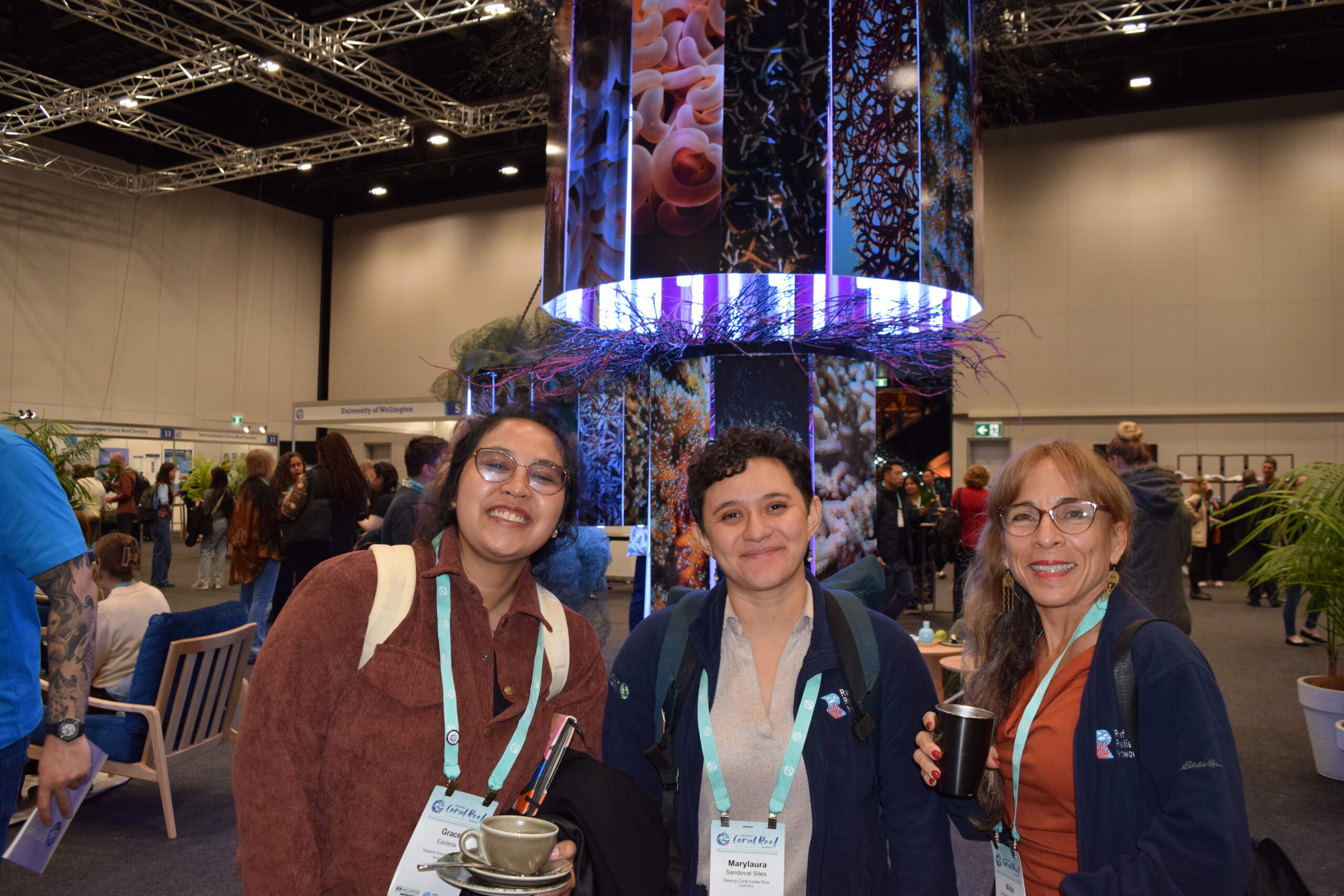
Participants also built relationships with other managers from the Pacific Islands region, learned about additional support opportunities, and deepened their connections to regional and global MPA learning networks.
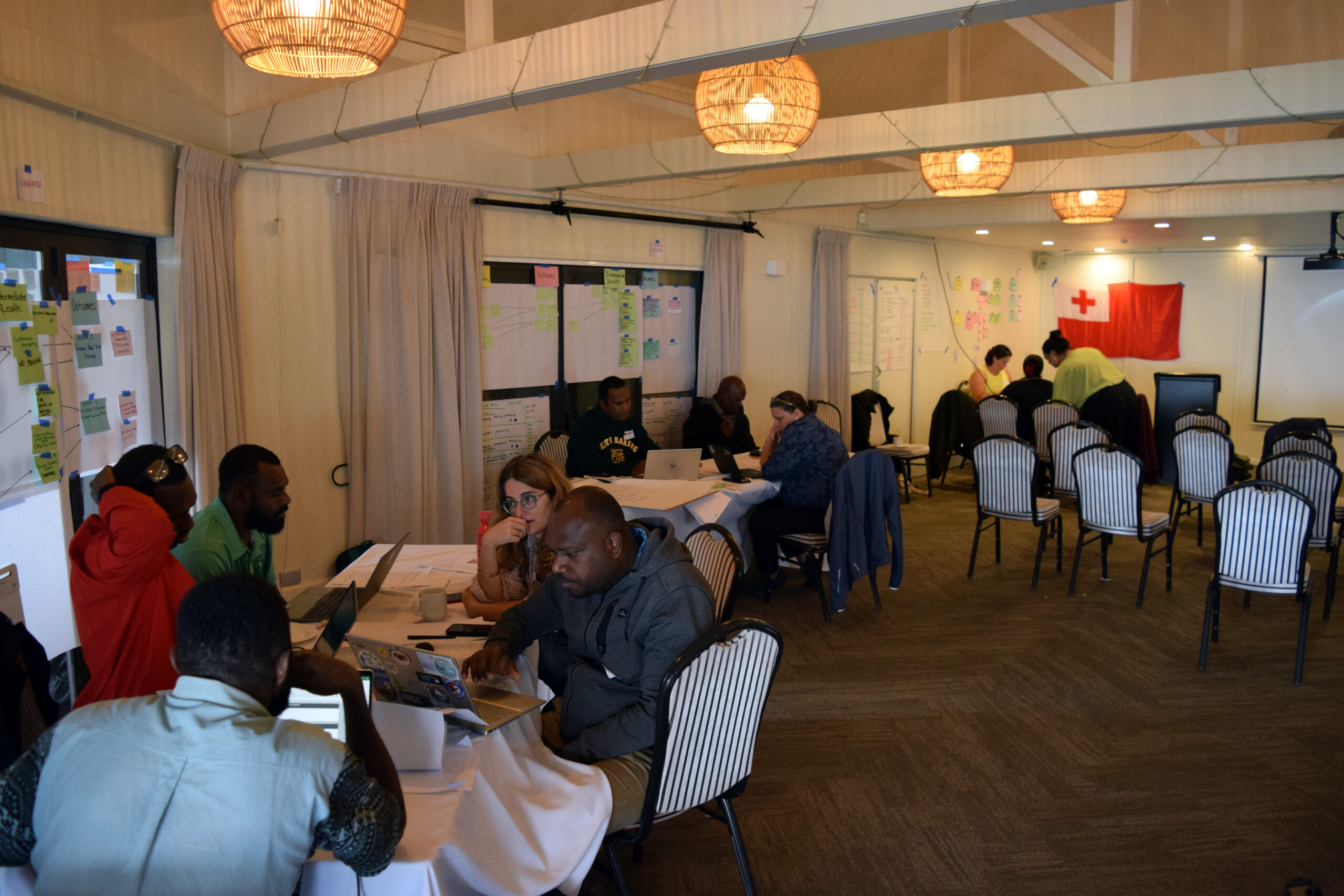
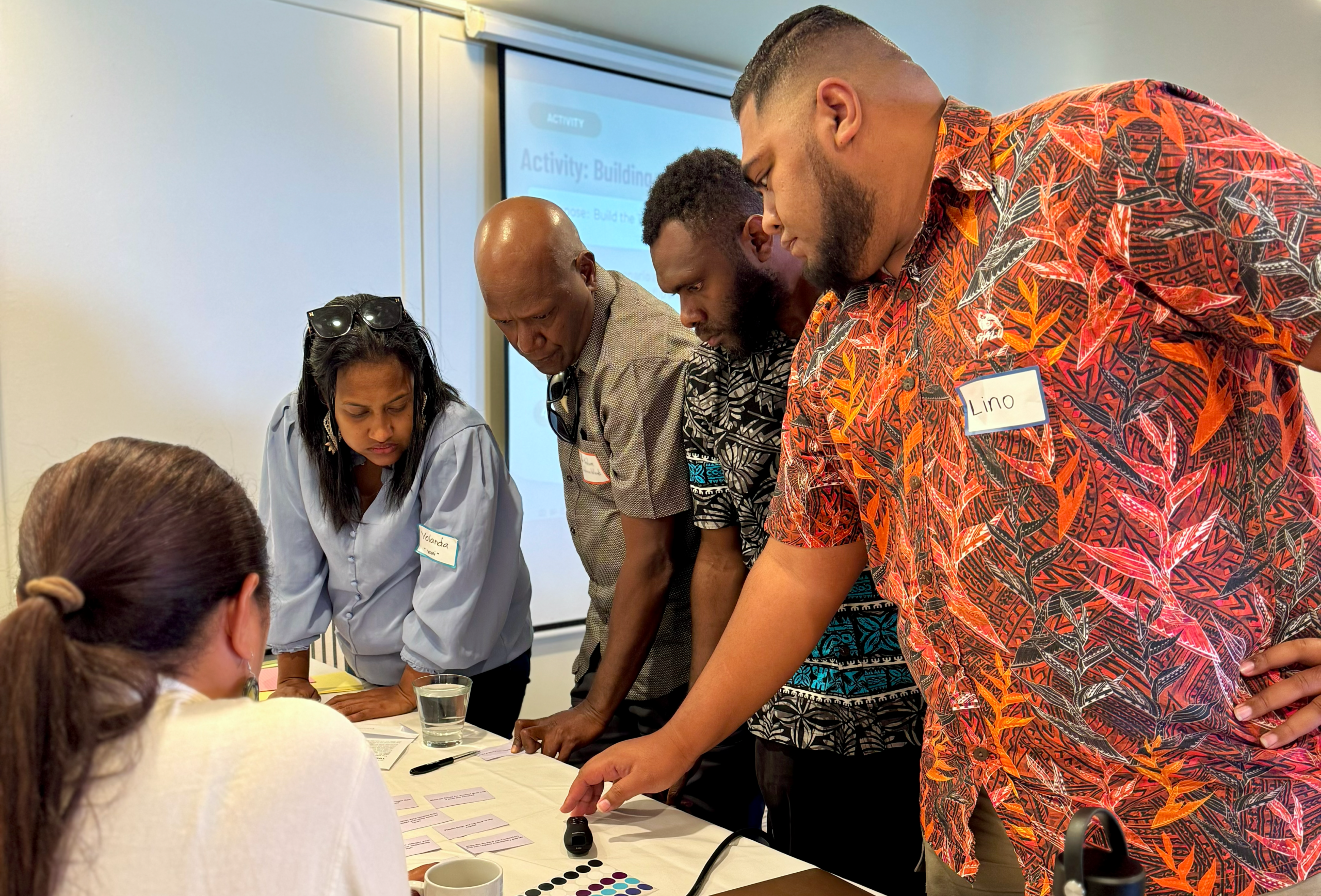
managers work together as country teams at tables during an in-person training
Managers participate in a group activity around a table
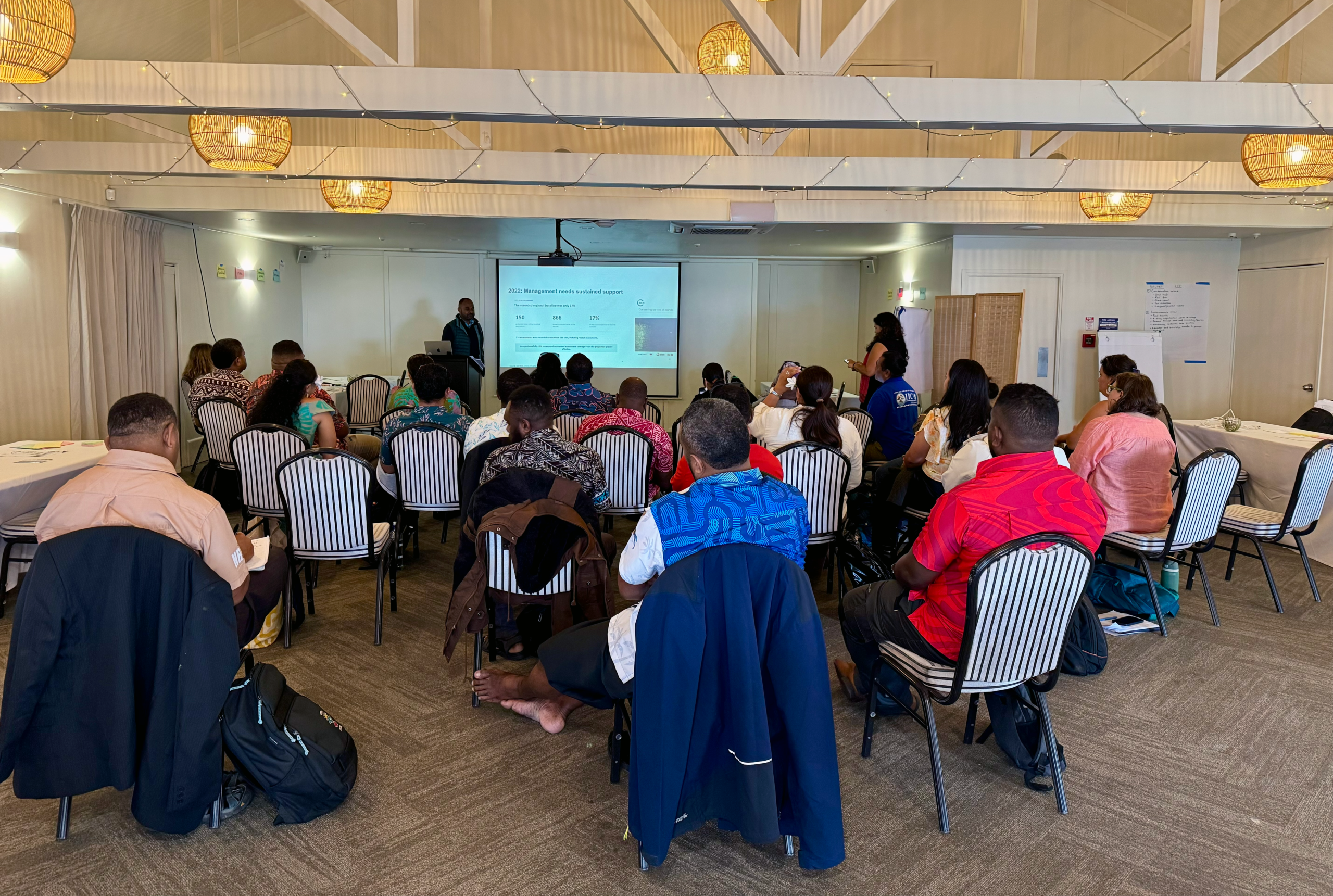
Managers sitting in chairs watching a presentation at the front of the room.


This training was organized by The Nature Conservancy’s Reef Resilience Network, in partnership with BNA and SPREP with funding support from BNA and the Paul M. Angell Family Foundation. Facilitators included Meghan Gombos (Sea Change Consulting), Dr. Annick Cros (TNC/RRN), Lihla Noori (BNA), Isaac Rounds (SPREP), Ginny Farmer (BNA), Teuru Passfield (BNA), Kristen Maize (TNC/RRN), and Henry Borrebach (TNC/RRN).

Hear what our participants had to say about their training experience:

“I will apply the knowledge gained from this workshop by strengthening MPA management planning, monitoring, evaluation, and reporting in Vanuatu. I will work closely with local communities, chiefs, management committees, and relevant government departments to identify management gaps, address challenges, and improve community participation. I will also use the PAME assessment tools to monitor progress, guide decision-making, and develop practical actions to ensure effective and sustainable management of our marine resources for future generations.”

“This was a hard course but the trainers/facilitators helped me tremendously during activities which made me better understand and guided our team every step of the way.”

“The workshop provided valuable knowledge, practical skills, and opportunities to share experiences with other Pacific Island countries. It strengthened my understanding of effective MPA management and provided useful ideas that I can apply in my own country to improve marine conservation and community participation.”

“I really enjoyed each presentation and found they were all very informative, easy to follow and truly aided with my understanding of PAME and the METT Tool.”

“The knowledge gained will really help with my teams work towards updating our MPA management plan. I hope to be able to apply this in my daily work by way of noting down and identifying any new or relevant enabling conditions and actions that will all contribute and aid towards achieving our key outcomes.”

“I really enjoyed networking and connecting with the other countries as well as learning a lot from our facilitators. I found the way they presented was very well articulated, easy to understand and follow and felt they truly cared about the work/cause and for us to use this information, knowledge and skills back home.”