
Strengthening Reef Resilience: Skills & Strategies for Marine Managers Training – New Zealand, 2026

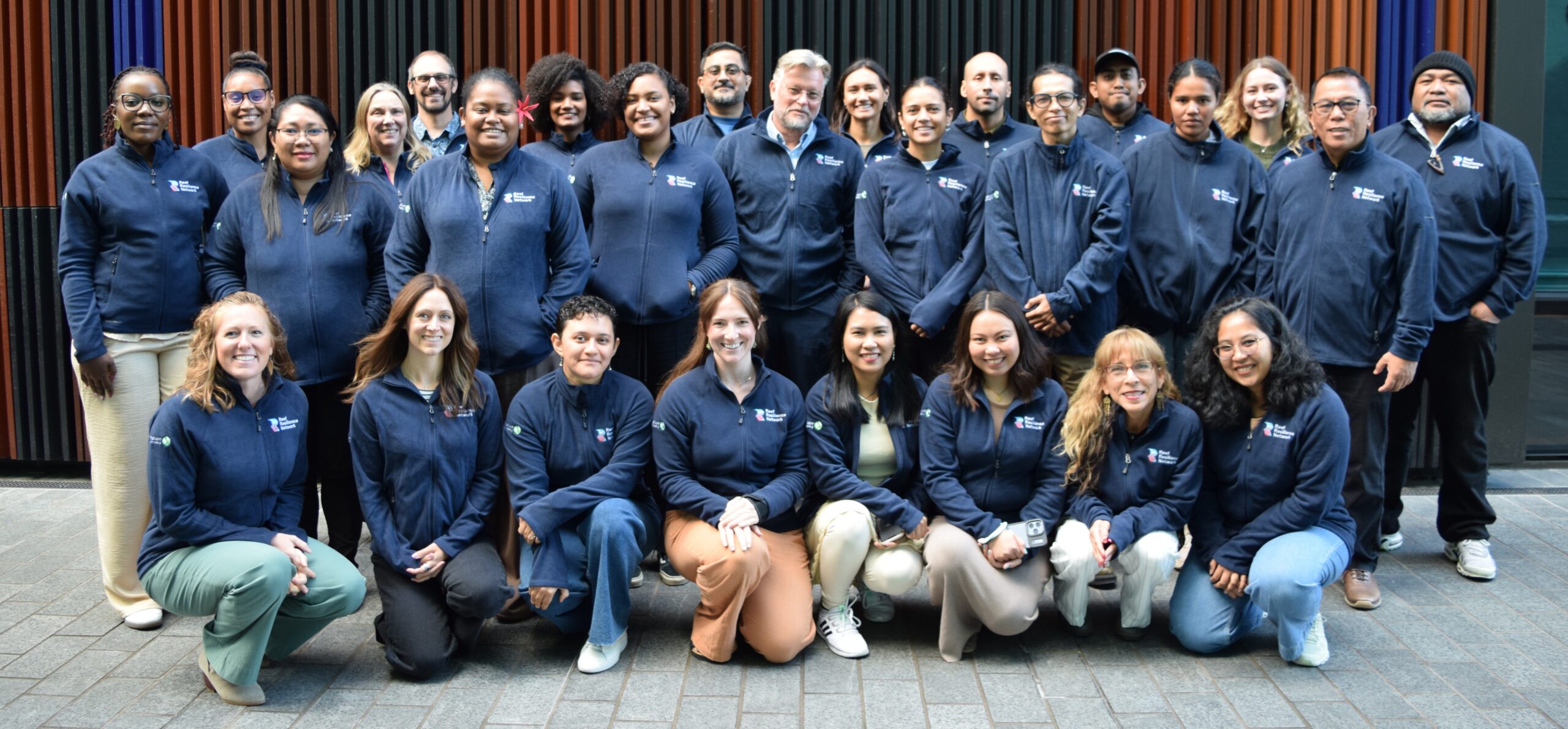
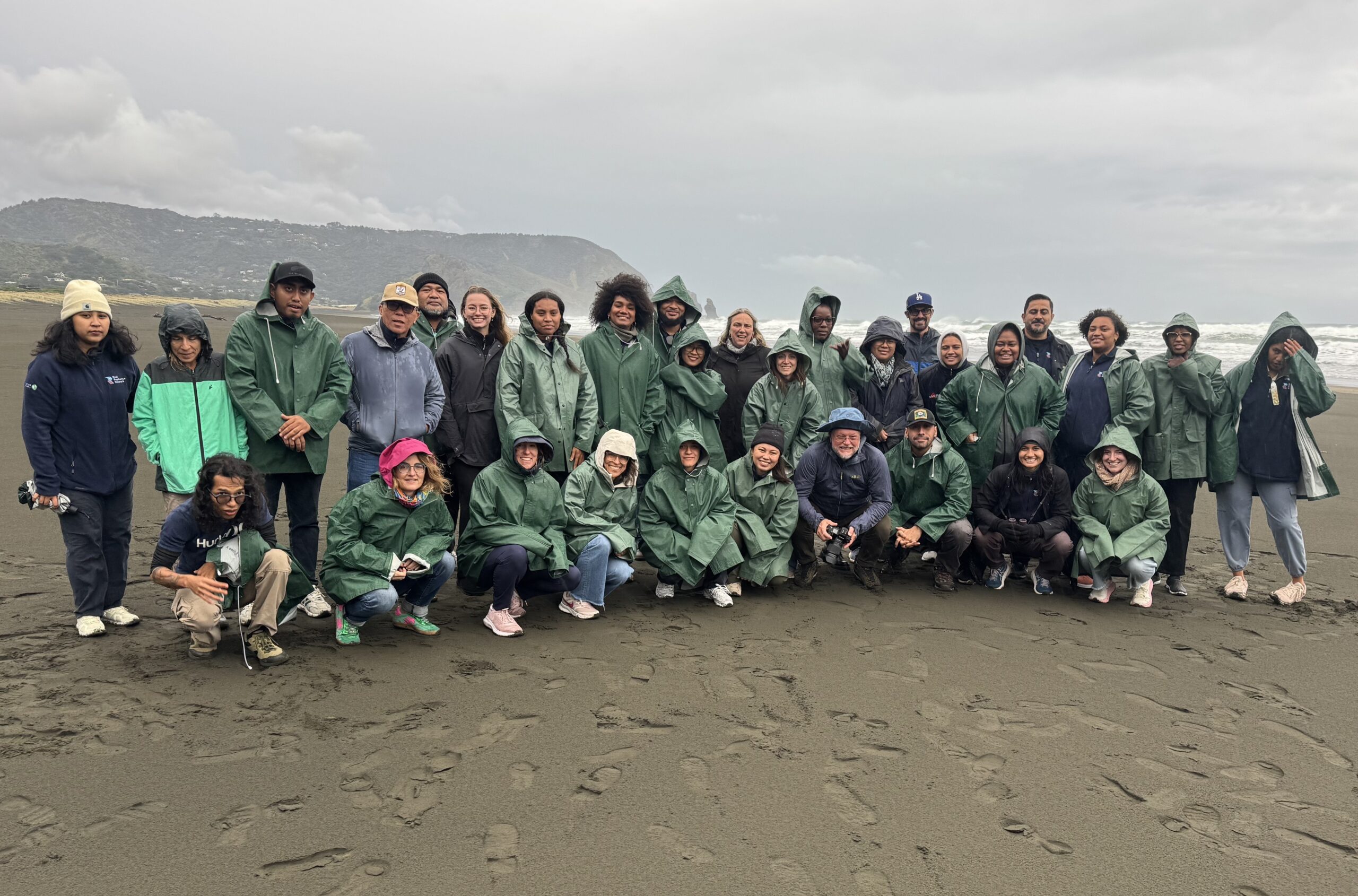
In July 2026, 25 marine managers and practitioners from 18 countries and territories across the Caribbean, Pacific Islands, Coral Triangle, and Western Indian Ocean regions participated in the Strengthening Reef Resilience: Skills & Strategies for Marine Managers Training in Auckland, New Zealand. Held in conjunction with the 2026 International Coral Reef Symposium (ICRS), the weeklong training was designed to strengthen participants’ management capacity to address climate-related threats to coral reefs through instruction, mentorship, networking, and knowledge exchange. The training kicked off with a full-day workshop before ICRS, including sessions on how to maximize the ICRS experience, climate-smart management, and strategic communication. Explore some of the training resources here:
- Context for coral reef management and resilience-based management presentation
- Climate-smart coral reef management planning presentation
- Strategic Communication for Conservation guidebook and Communication Planning Process online toolkit
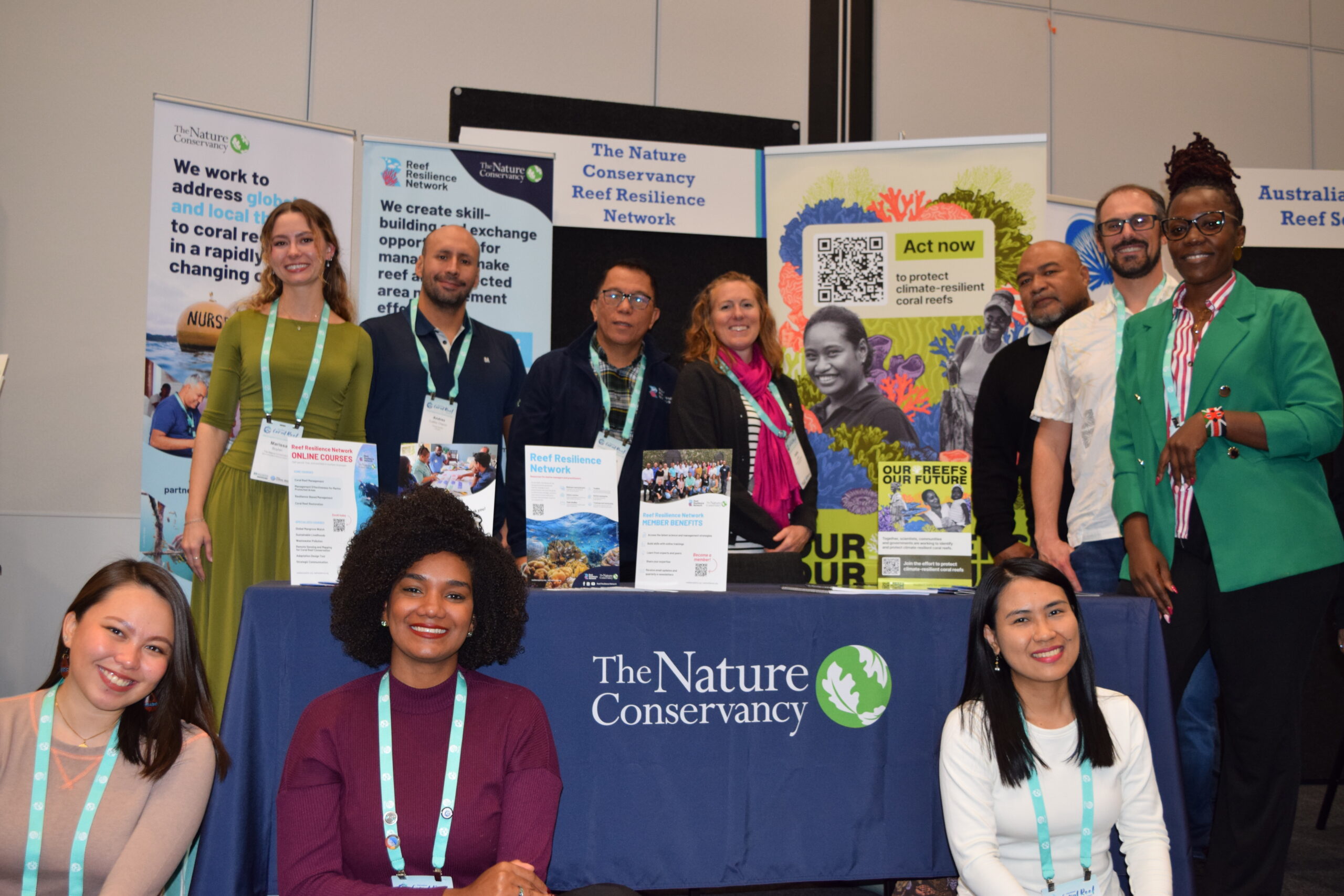
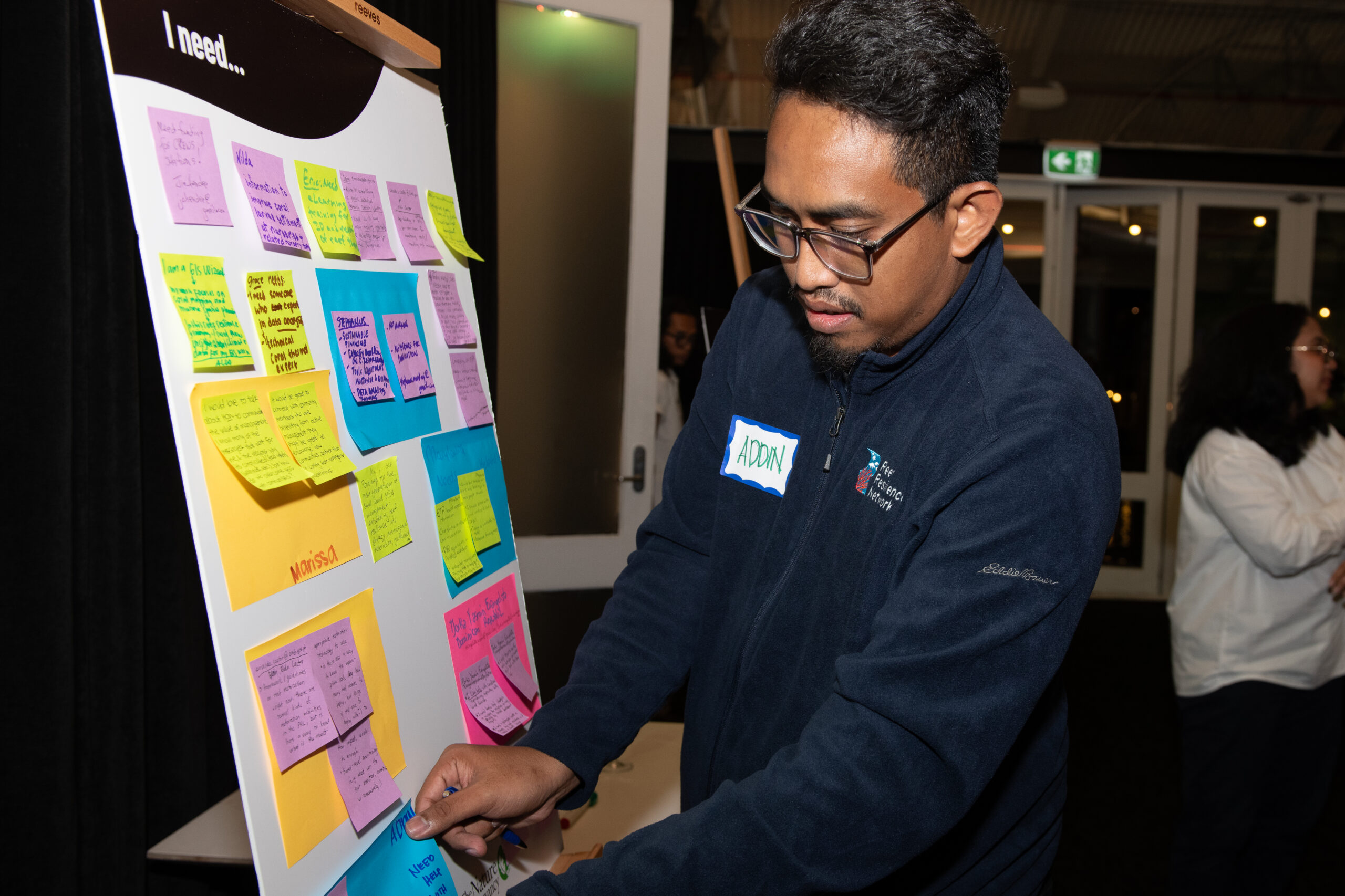
With guidance from the Network, participants attended ICRS talks, poster sessions, plenaries, and social events to foster exchange, networking, and collaboration with peers and scientists throughout the week. A “world café” session was held featuring small group discussions with six experts on the topics that mattered most to participants—coral reef restoration, monitoring (including using drones), and traditional knowledge and management. The goal of these activities was to help participants access targeted information and resources to translate into action for their reef systems.
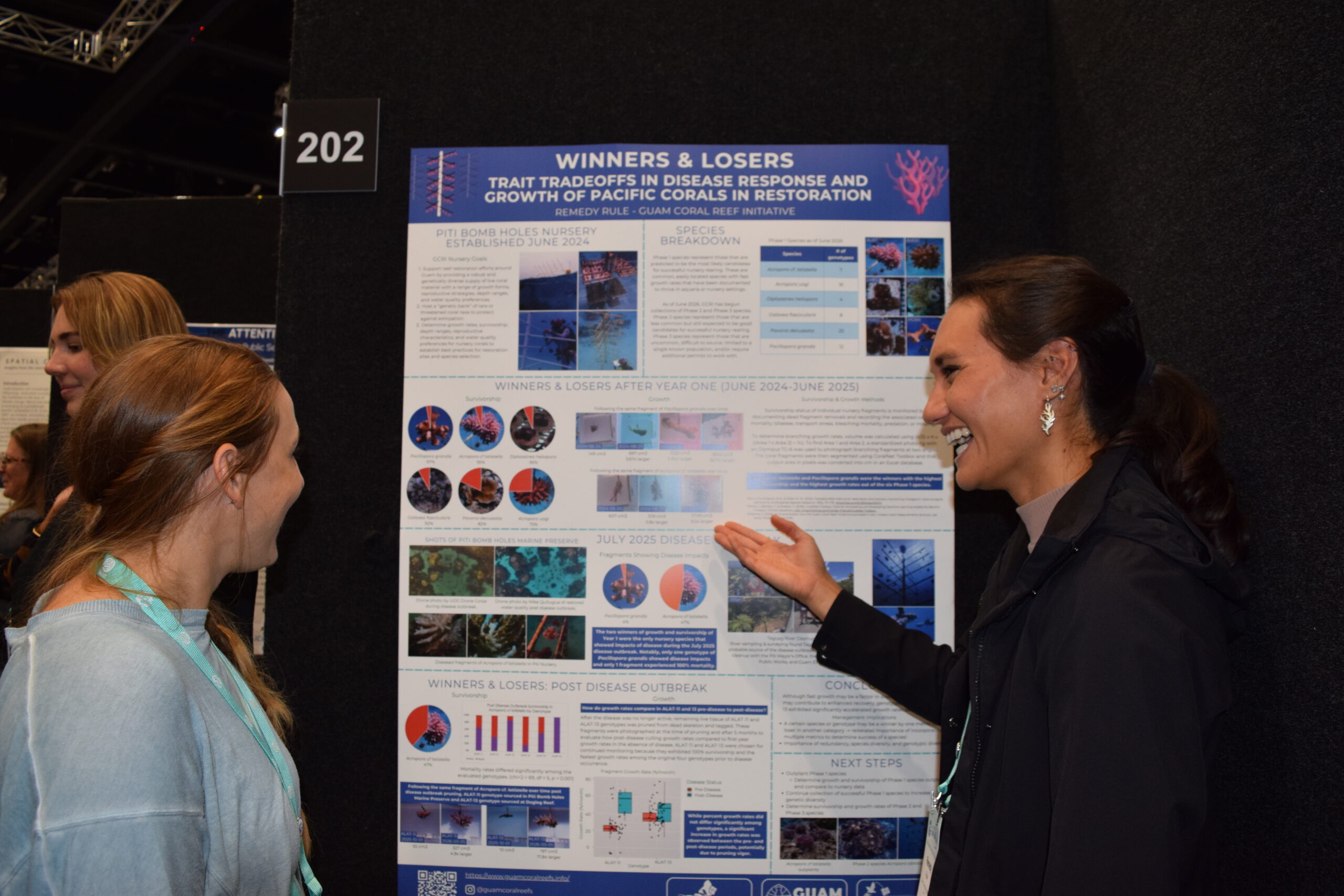
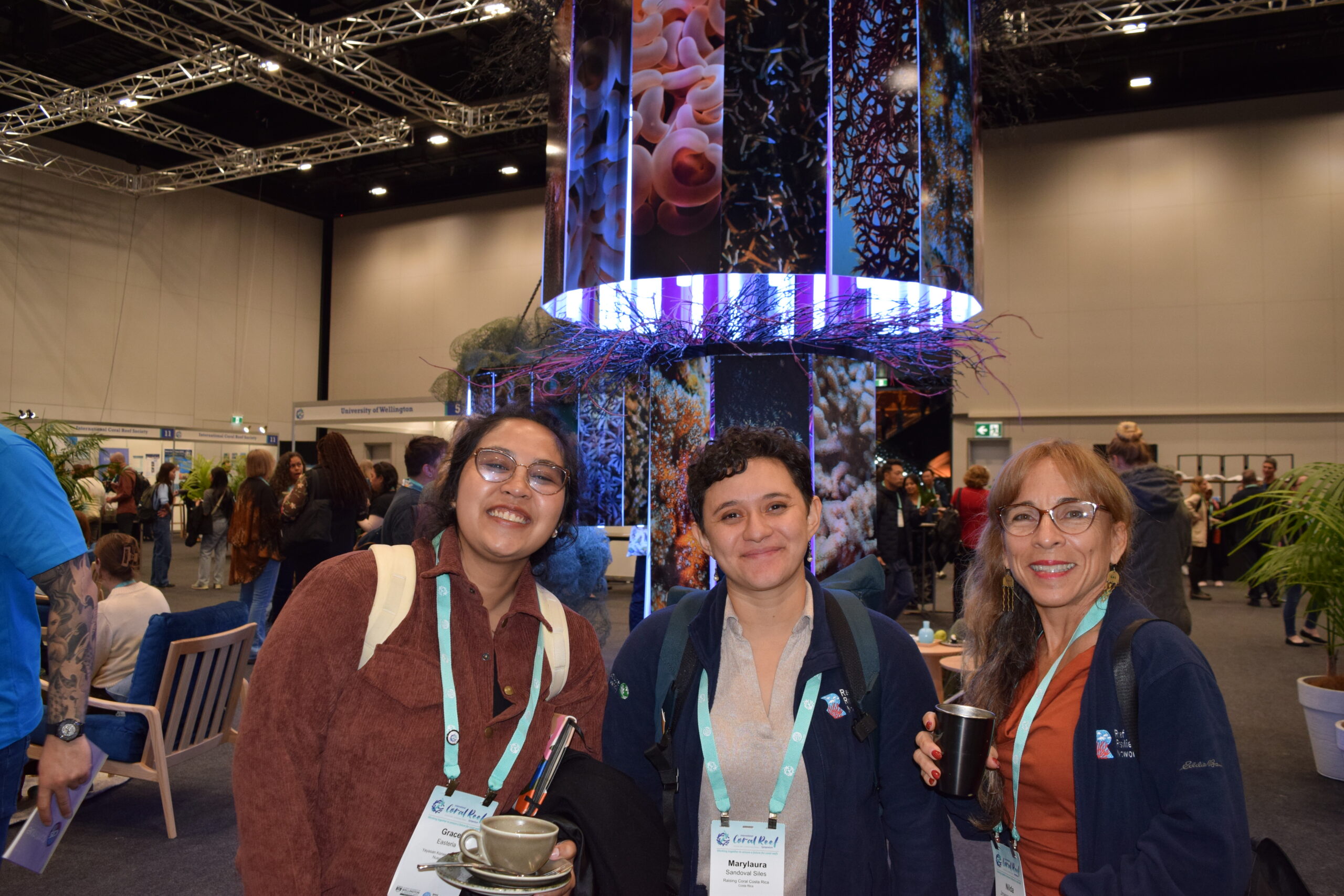
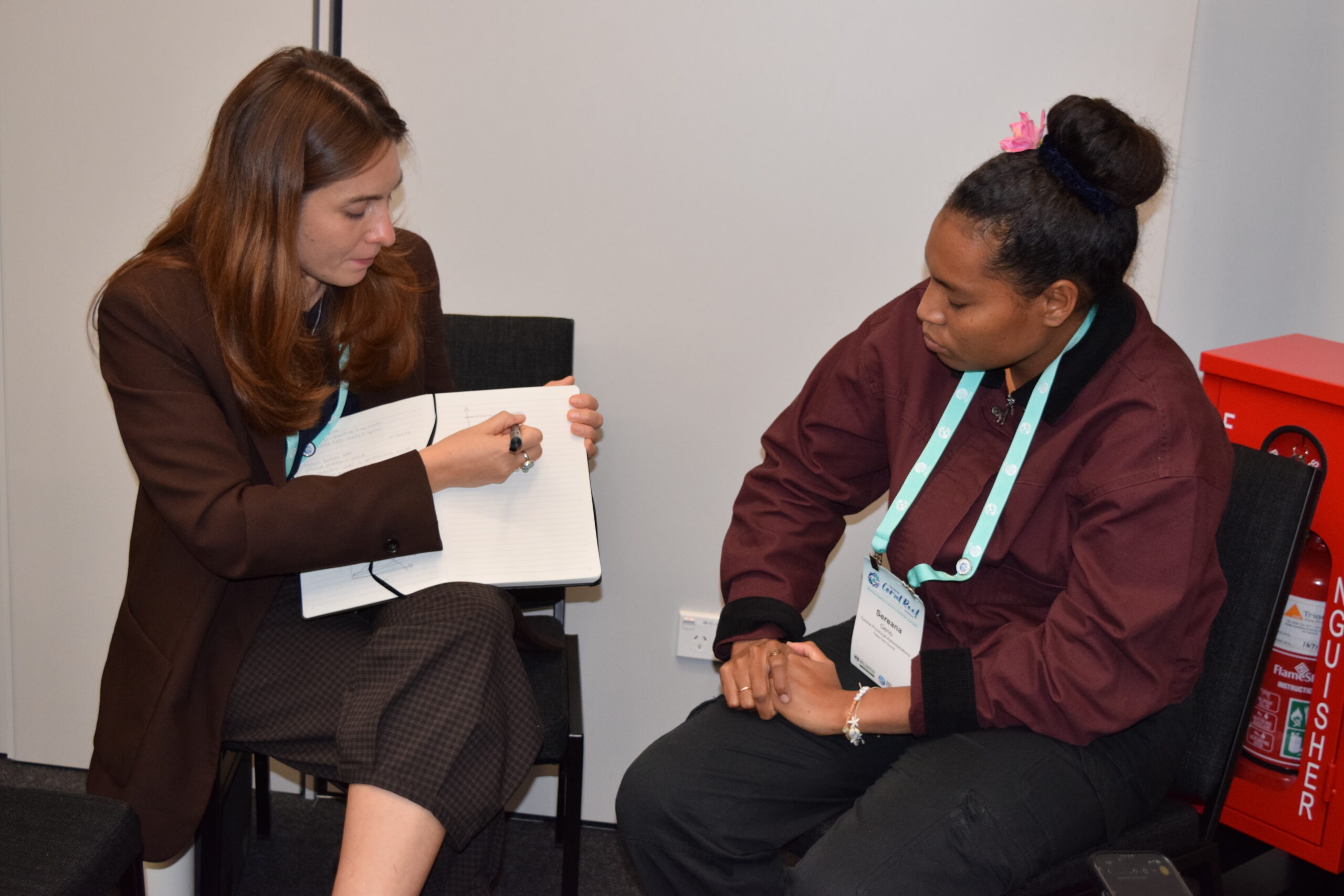
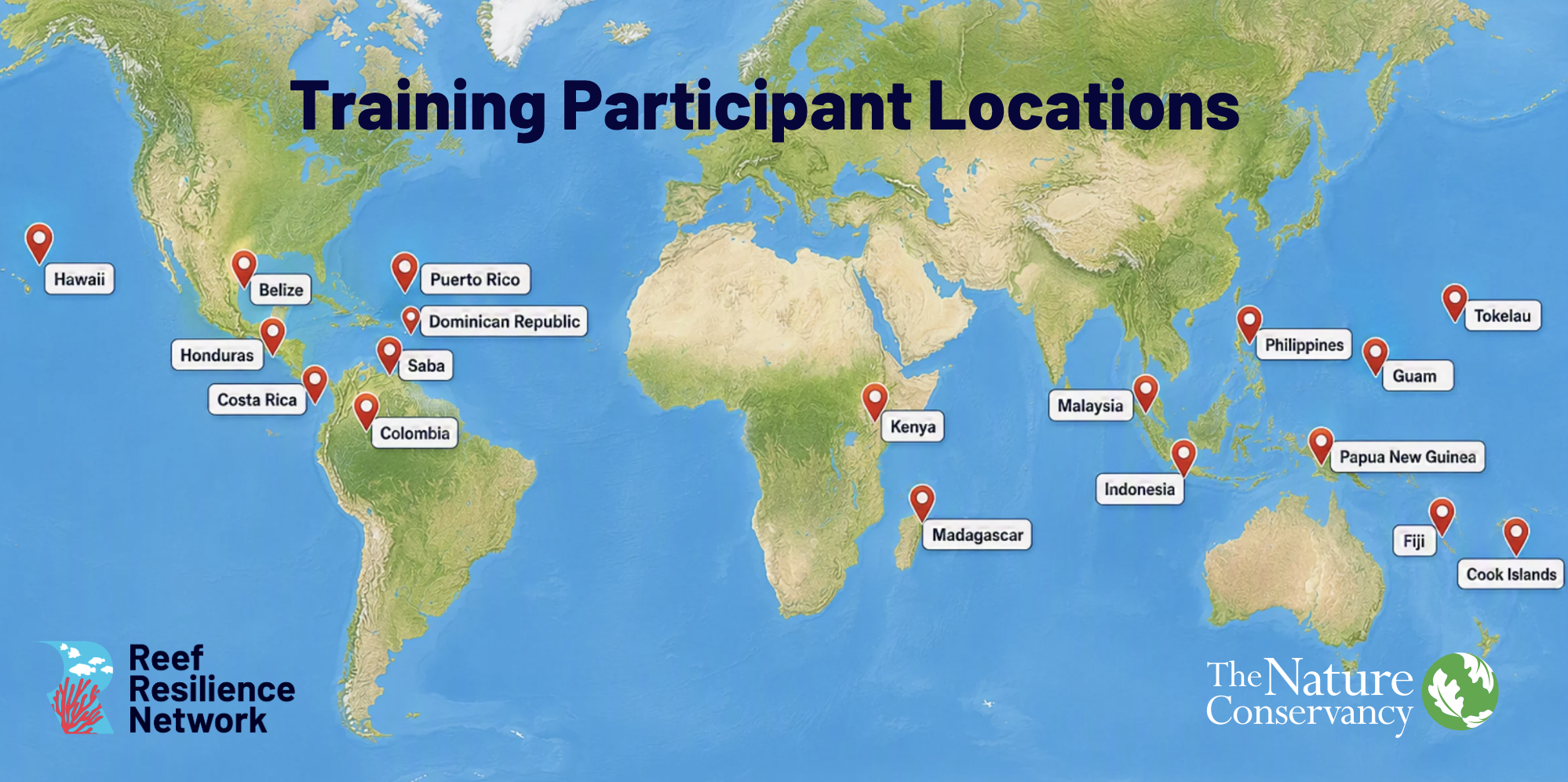
Participants represented government agencies, non-governmental organizations, research institutions, community-based conservation organizations, and protected area management programs from Belize, Colombia, Costa Rica, Dominican Republic, Honduras, Saba, Puerto Rico, Kenya, Madagascar, Malaysia, Indonesia, Philippines, Papua New Guinea, Fiji, Tokelau, Cook Islands, Guam, Hawaiʻi, and the Federated States of Micronesia.
Thank you to these marine managers for the critical work they do to manage our coral reefs. And thank you to the experts and facilitators who made the training possible: Annick Cros, Margaux Hein, Liz Shaver, Caitlin Lustic, Michelle Graulty, Petra MacGowan, Kristen Maize, Steve Schill, Liam Lachs, Adriana Humanes, Manuel Gonzalez-Rivero, Alessandra Shea, Maria Villalpando, and Jim Hendee.
Hear what our participants had to say about their training experience: