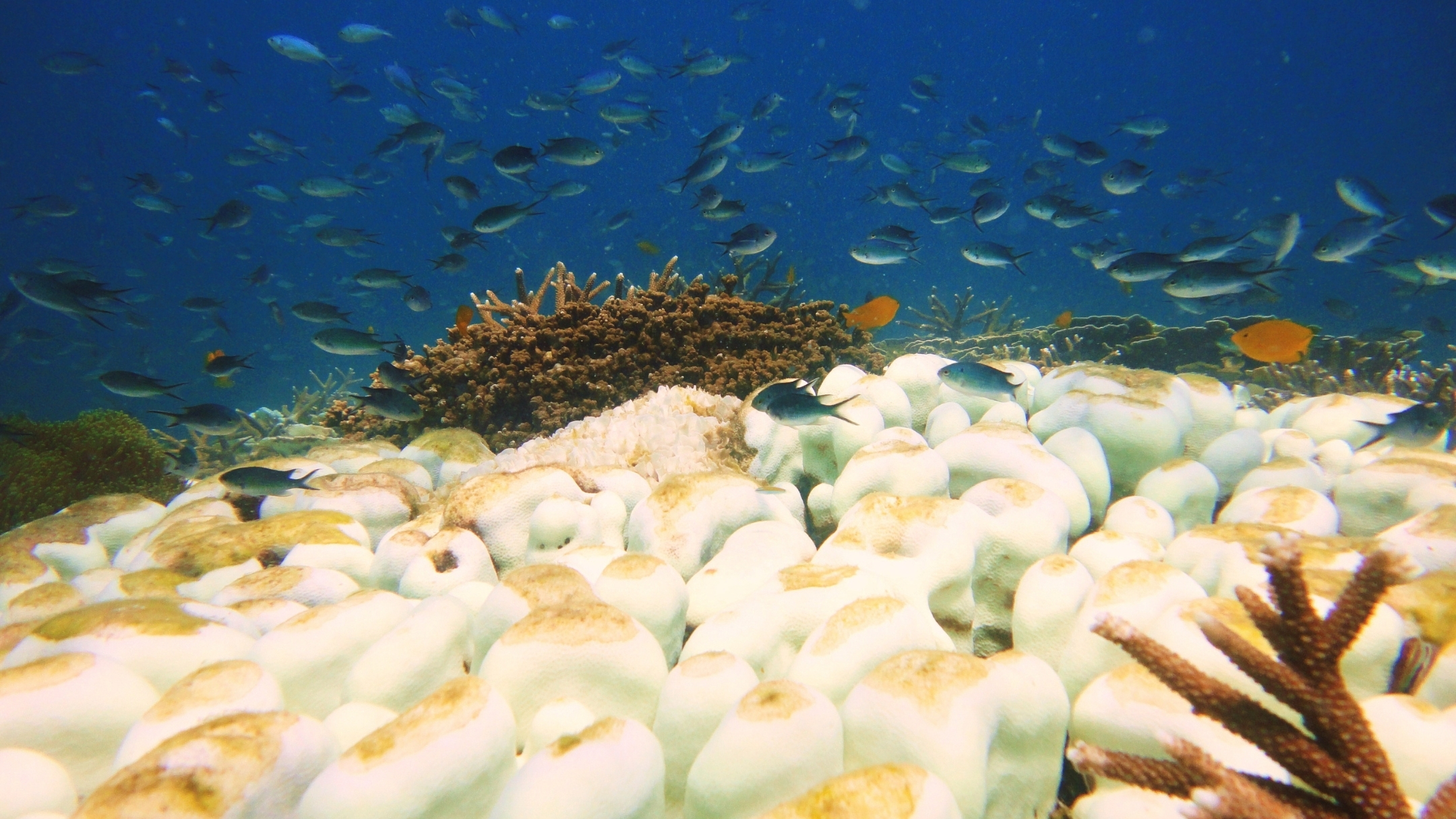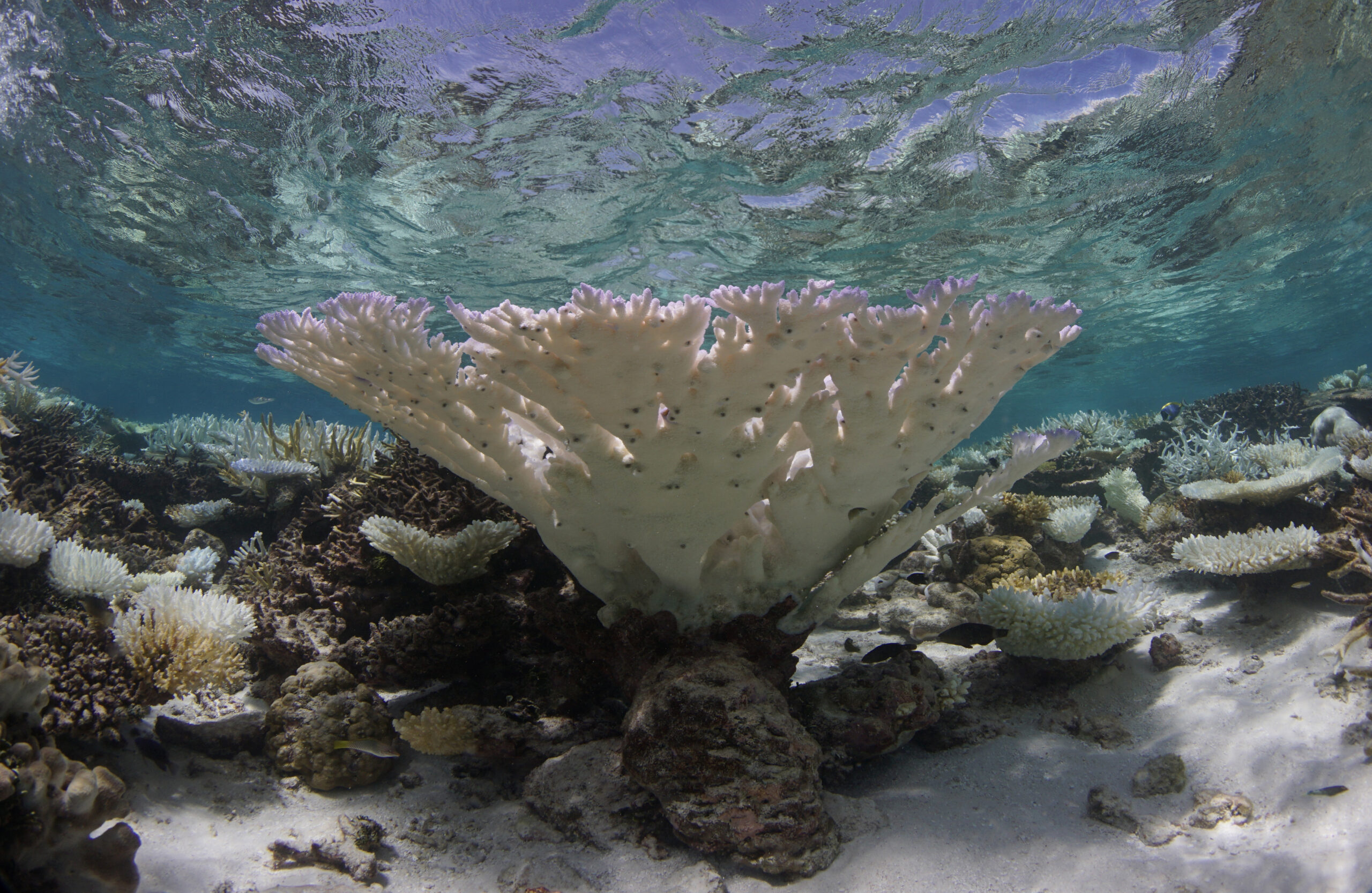
A recent global study was conducted using modeled spatial data analysis to quantify total nitrogen (TN), highlighting disproportionate exposure of tropical coastal marine protected areas (MPAs) to wastewater pollution. MPAs are commonly used to promote global biodiversity conservation, with enforcement, size, longevity, no-take status, and location used as metrics to measure success. Wastewater pollution is not routinely measured, yet exposure can negate MPA effectiveness in safeguarding biodiversity and achieving intended ecological outcomes.
Exposure of MPAs to domestic wastewater was assessed using modeled total nitrogen load data at 1km resolution, providing global spatial data on nitrogen loads derived from treated, septic, and open effluent into coastal areas. TN loads were quantified in 1,855 MPAs within 50 km of six tropical coastal regions (Australasia and Melanesia, the Caribbean and Bahamas, the Coral Triangle, East Africa, the Indian Ocean, and the Middle East and North Africa) and three ecosystem types (coral reefs, seagrass meadows, and mangrove forests).
MPAs in East and North Africa recorded the highest mean, median, maximum, and standard deviations, indicating that distributions in these regions are significantly skewed by highly polluted areas. While exposure levels varied, mean pollution loads exceeded median loads across all six studied regions. Median-pixel-level pollution within MPAs was up to ten times higher than in non-MPA counterparts. These results emphasize that current protection status does not effectively mitigate the effects of wastewater pollution.
Wastewater pollution has major ecological impacts on tropical ecosystems. For instance, excess nutrients in domestic wastewater deteriorates the structure, function, and long-term persistence of mangroves, seagrasses, and corals. Excess nutrients also make these ecosystems more vulnerable to climate change impacts.
MPA protection status does not guarantee ecological benefits. Reaching the goal of effectively protecting 30% of the ocean by 2030 (i.e., 30×30) cannot be achieved unless exposure to land-based sources of pollution is addressed and included as a global assessment metric for MPA success. This would require international cooperation and investment, local government reform, and reformed integration of land-based pollution management into MPA design.
Improving sanitation systems to reduce domestic wastewater pollution must be prioritized when designing and managing MPAs to protect coastal tropical ecosystems. Addressing these issues will not only provide ecological benefits but also improve human health and safety.
Management Implications
- Management decisions require context‑specific information on sanitation systems, wastewater impacts, and locally appropriate intervention options.
- Prioritize land-based management and domestic wastewater treatment to improve MPA effectiveness and human health and safety.
- Raise public awareness about land-based sources of pollution and collaborate with policymakers to invest in improving sanitation systems, including incorporating nature-based solutions, and/or community-based wastewater management.
- Integrate wastewater management and systematic assessments of pollution exposure into coastal conservation policies.
Author: Carrasco Rivera, D. E. and A.S. Wenger
Year: 2026
Ocean & Coastal Management. 276: 108182. doi: 10.1016/j.ocecoaman.2026.108150