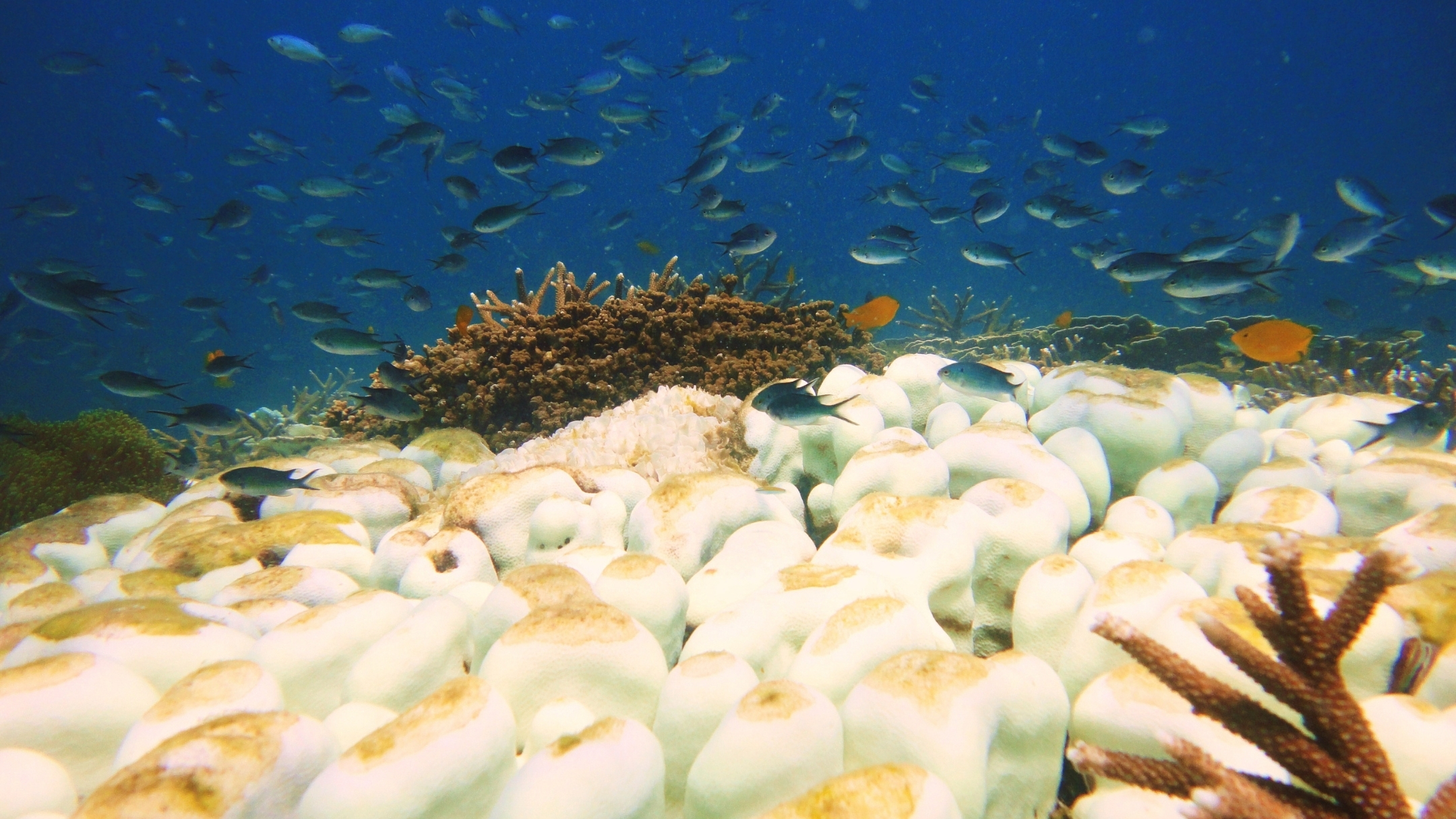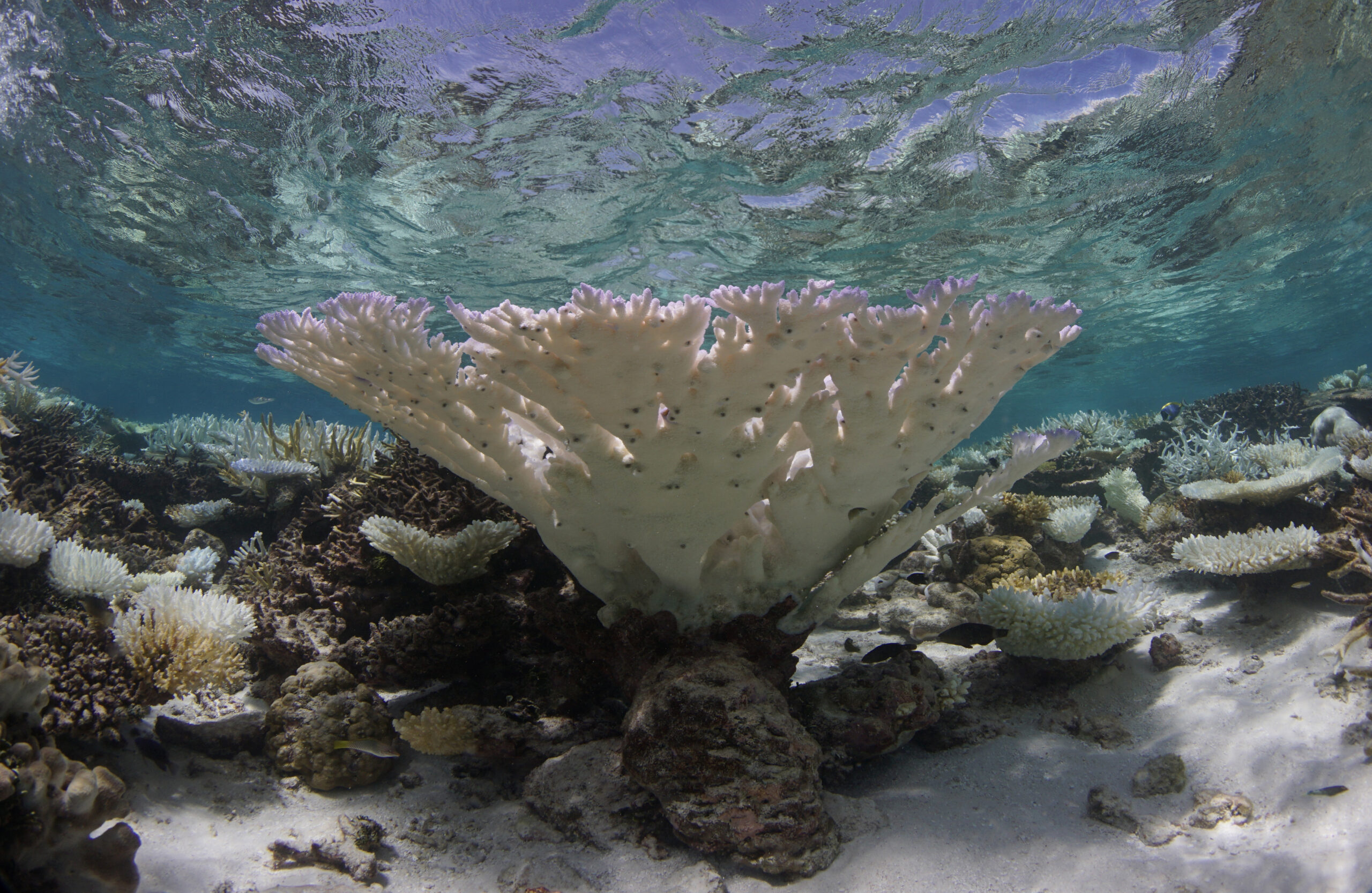

Marine protected areas (MPAs) are increasingly affected by both human and climate threats. Even the best-managed or most remote MPAs are experiencing the impacts of rising sea surface temperatures, sea level rise, and stronger storms. MPA managers are facing new challenges, from coral bleaching to eroding shorelines, and need adaptive and forward-looking strategies.
To help managers prepare for climate challenges, the Reef Resilience Network, in collaboration with The Nature Conservancy Northern Caribbean Program, created a process for updating MPA management plans to be Climate-Smart. This new framework was developed and piloted through a series of in-person workshops with Bahamas National Trust staff, who are charged with managing 33 parks in the island nation.
The new Climate Adaptation Toolkit was developed to share the framework with managers globally. It provides an overview of key climate adaptation concepts, as well as guidance on assessing climate threats, identifying impacts, and developing site-specific responses. The framework integrates climate change into all aspects of a management plan and can be adapted to any site. This allows managers to tailor their approach to local ecological, social, and governance contexts while enhancing resilience to climate change.
To learn more about piloting this framework in The Bahamas, read the case study or watch this webinar. You can also hear from Ellsworth Weir and Alyssa Bastian of the Bahamas National Trust to learn about their experiences throughout this process in our latest Reef Exchanges podcast episode. Ellsworth and Alyssa share advice for MPA managers and planners who are just beginning to think about updating management plans to be Climate-Smart.

The Climate Adaptation Toolkit was developed by the Reef Resilience Network in partnership with the Blue Nature Alliance with guidance from Conservation International and the National Oceanographic and Atmospheric Administration (NOAA) MPA Center.