by reefres | Apr 24, 2025 | Coral Bleaching, Module, Threats
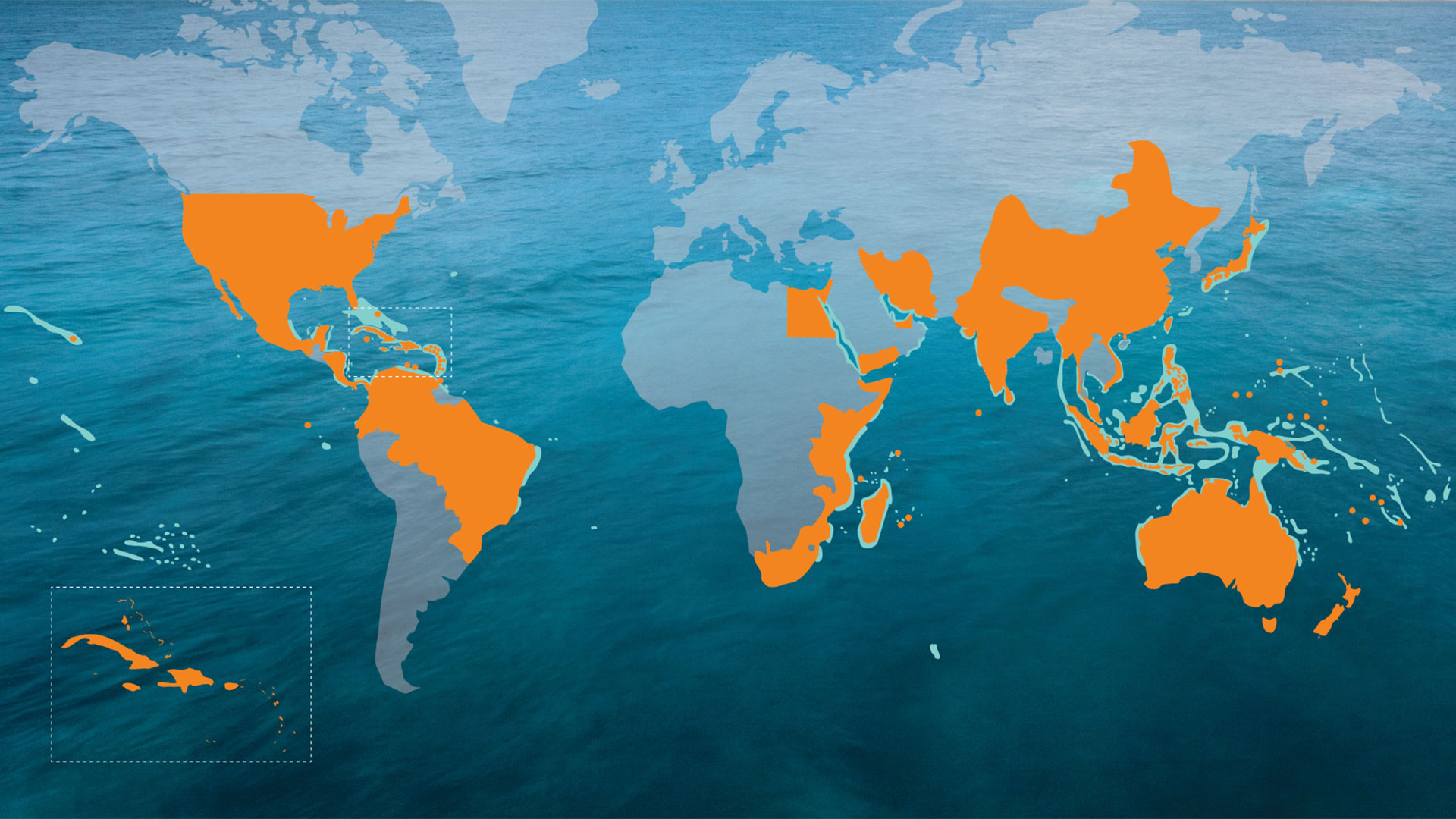
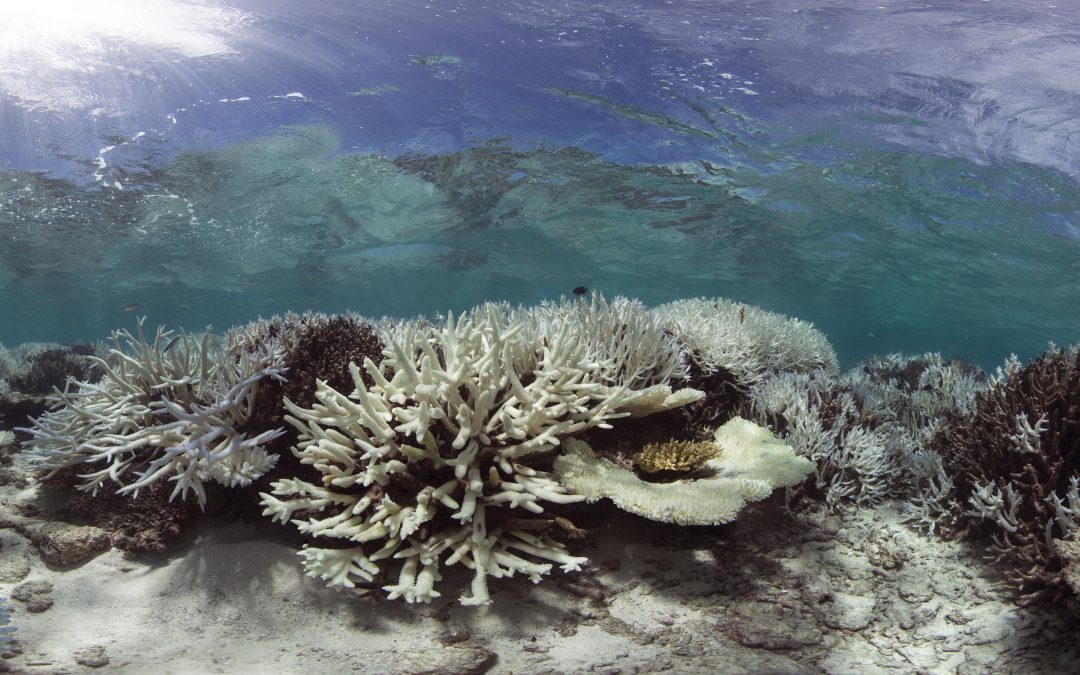
While local management cannot directly control the causes of mass coral bleaching, reef managers play important roles before, during, and after bleaching events. Their responsibilities typically include predicting and communicating risks, assessing impacts, understanding implications for reef resilience, and implementing management actions to reduce the severity of damage and support reef recovery. A bleaching response plan describes the steps for detecting, assessing, and responding to bleaching events.
by Cherie Wagner | Dec 20, 2024 | Coral Bleaching, Management Strategies, Module
Sea-Level Rise MENUMENUClimate Threats and ManagementGlobal Climate ChangeMass BleachingTropical StormsSea-Level RiseOcean Acidification Global sea level rise (SLR) is caused by two main factors: thermal expansion and increased melting of ice sheets. The IPCC reports...
by reefres | Oct 28, 2021 | Coral Bleaching, Module
Tropical Storms MENUMENUClimate Threats and ManagementGlobal Climate ChangeMass BleachingTropical StormsSea-Level RiseOcean Acidification Due to the large natural variability in the frequency and intensity of tropical storms, it is difficult to determine whether...
by reefres | Feb 24, 2014 | Coral Bleaching, Module
Ocean Acidification MENUMENUClimate Threats and ManagementGlobal Climate ChangeMass BleachingTropical StormsSea-Level RiseOcean Acidification Ocean acidification is defined as a decrease in ocean pH over decades or more that is caused primarily by uptake of carbon...
by reefres | Jan 13, 2014 | Coral Bleaching, Module, Threats
Global Climate Change MENUMENUClimate Threats and ManagementGlobal Climate ChangeMass BleachingTropical StormsSea-Level RiseOcean Acidification There is strong consensus that the world is experiencing climate change, with the pace accelerating and much of this shift...