by Michelle Graulty | Feb 19, 2026
Hybrid coral reef restoration reduces coastal flooding, protects vulnerable communities, and delivers cost‑effective climate resilience in Florida and Puerto Rico.
by Michelle Graulty | Feb 12, 2024
Local human activities and climate-driven marine heatwaves are significantly altering coral reef ecosystems. Managers aiming to increase reef resilience often face challenges in effectively integrating ridge-to-reef initiatives within their plans for coral reef...
by reefres | Aug 31, 2022
Climate Change Ecosystem-Based Adaptation: Promoting Resilient Coastal and Marine Communities
by reefres | Jul 17, 2022
Participatory 3D Modeling to Support Climate Preparedness and Response
by reefres | Jul 15, 2022
Supporting and Managing Resilient Systems in the Bay Islands
by reefres | Jul 14, 2022
Coastal Reforestation in Tonga to Protect Agricultural Areas and Coastlines
by reefres | Jul 14, 2022
At the Water’s Edge (AWE): Enhancing Coastal Resilience
by reefres | May 1, 2018
Abstract: Tropical cyclones generate extreme hazards along coastlines, often leading to losses of life and property. Although coral reefs exist in cyclone-prone regions globally, few studies have measured the hydrodynamic conditions and morphological responses of...

by reefres | Sep 26, 2017 | News
This mentored course has already taken place, but you still find the Adaptation Design Tool self-paced course here. Ready to get practical with adapting your management activities in light of climate change, but wondering how to organize what can be a complicated...
by reefres | Mar 30, 2016
Marine spatial planning (MSP) and ocean zoning is a holistic tool that spatially prioritizes management attention where it is most needed. MSP addresses conflicting uses by establishing clearly defined boundaries. These boundaries coordinate efforts across...
by reefres | Nov 19, 2015
Managing exposure of corals to oxybenzone, a common ingredient found in sunscreen lotions, is critical for managing for coral reef resilience. A new study found that coral planulae exposed to oxybenzone became deformed and sessile, and had an increased rate of...
by reefres | Aug 20, 2015
Disturbance and recovery patters of coral reefs in the Commonwealth of the Northern Mariana Islands were studied over a 12-year period, including Crown of Thorns Starfish (COTS) densities, localized stressors, and natural disturbances such as tropical storms. COTS...
by reefres | May 4, 2015 | News
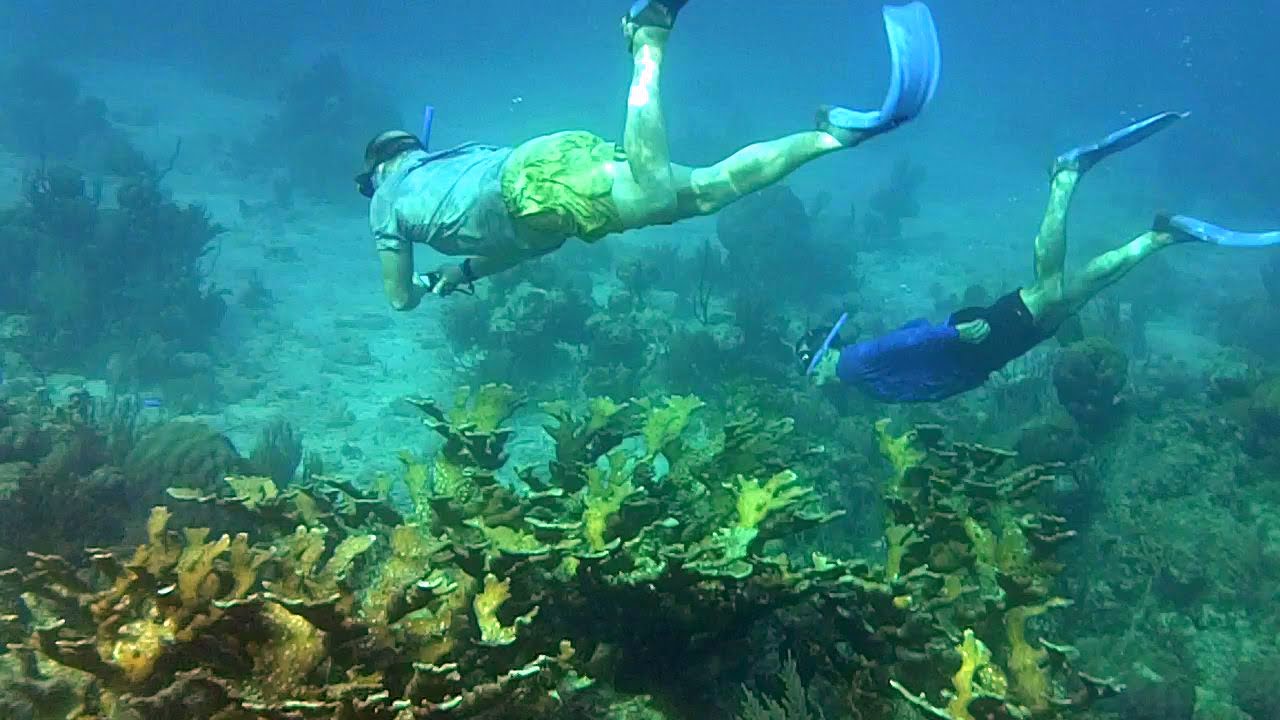
The Nature Conservancy has partnered with Cuban conservation agencies for more than 20 years, providing trainings such as protected area management and planning, GPS and GIS, coral reef monitoring, climate adaptation, and sustainable tourism that otherwise would not be available.
by reefres | Mar 17, 2015
This study provides the first empirical evidence linking turbidity and sedimentation with elevated levels of coral disease and other indicators of compromised health in situ. The study was conducted in Australia’s Montebello and Barrow Islands, encompassing marine...
by reefres | Jan 16, 2015 | News
Check out our interactive online community to connect and share with other coral reef managers and practitioners from around the world about marine management.
by reefres | Dec 12, 2014
The expansion of existing and emerging ocean uses has negative effects on ecosystems that provide habitat for key species and benefits to people. Integrated coastal and ocean management needs straightforward approaches for understanding the effects people have on...

by reefres | Nov 21, 2014 | News
Check out the six new modules on stressors affecting coral reefs, guidance for identifying coral reef resilience indicators, design principles for resilient MPA networks, methods for implementing resilience assessments, and important communication tools for managers.
by reefres | Oct 16, 2014
The Establishment of Man of War Shoal Marine Park
by reefres | Aug 4, 2014 | News
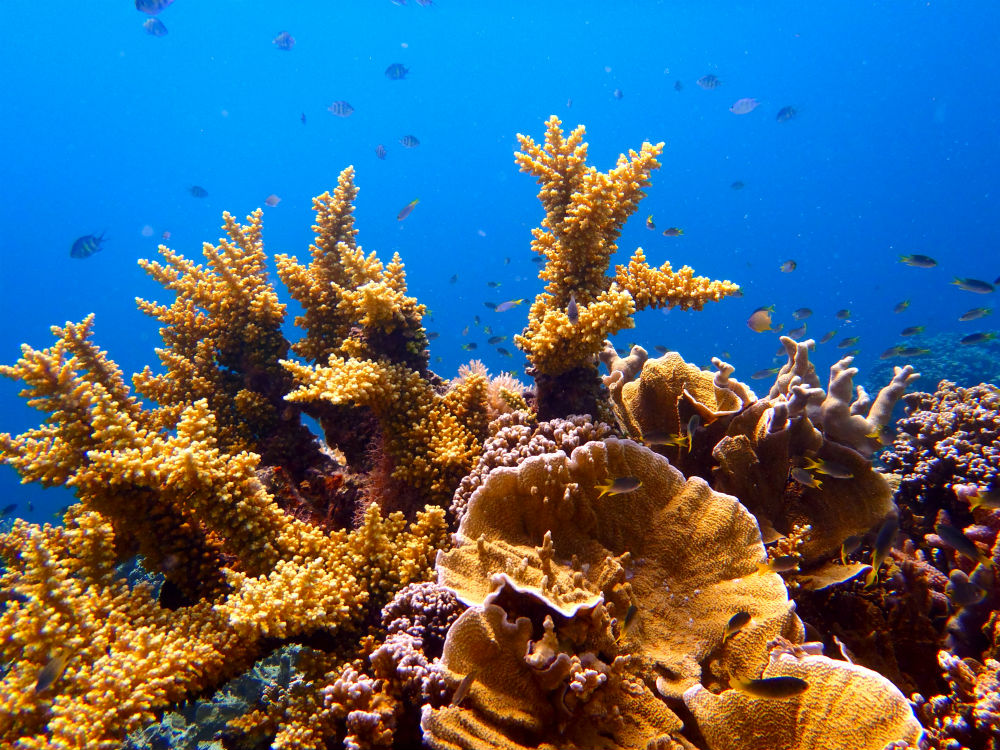
A group of researchers found that intact coral reefs reduce wave energy by 97% and wave height by 84%. The study, published recently in the journal Nature Communications found that the risk reduction provided by reefs is relevant to some 200 million people worldwide.
by reefres | Aug 4, 2014
Since the early 1980s Caribbean coral reefs have suffered massive losses of corals. Impacts from human population growth, overfishing, coastal pollution, global warming and invasive species have resulted in decrease of coral populations, increases of seaweeds,...