
Associated Ecosystem Restoration

Coral reefs are closely connected to other coastal ecosystems like seagrass beds and mangroves, which face similar local and global threats. Because these habitats are both valuable and vulnerable, they are often the focus of restoration work. Such projects may be required as part of coastal development, either to repair environmental damage or to offset its impacts. Many of the same principles used in reef restoration also apply to seagrass and mangrove recovery. The points below highlight key considerations for restoring these important habitats.
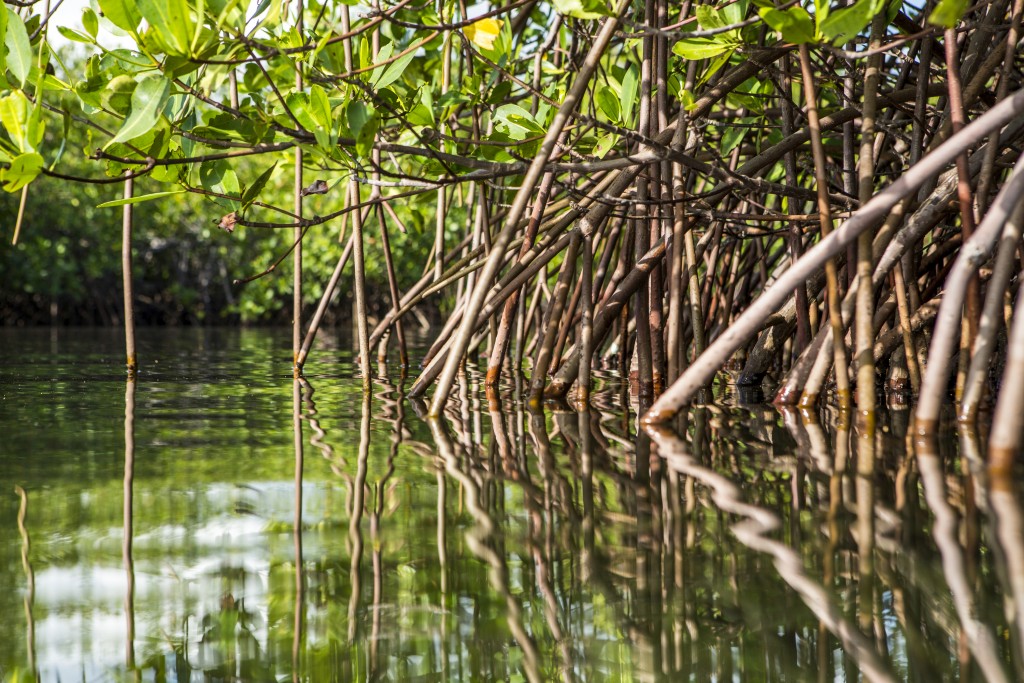
Mangroves offer coastal protection. Photo © Tim Calver
Mangroves
Although mangrove ecosystems have tremendous value for coastal communities and associated species, they are being destroyed at alarming rates. Threats contributing to extensive mangrove losses worldwide include aquaculture, deforestation, coastal development, and dam development, which are all exacerbated by the impacts of climate change and sea level rise. ref Today, as much as 50% percent of mangroves are listed as at risk of collapse by the IUCN. ref
Mangrove restoration involves both hydrological restoration and the planting of seedlings. Hydrological restoration has been recognized as the most successful and cost-effective mangrove restoration approach. There are two main types of hydrological restoration: 1) restoring tidal hydrology through excavation or backfilling, and 2) reconnecting blocked areas to normal tidal influences. ref The planting phase typically involves establishing a nursery, cultivating seedlings, and planting them. This process provides valuable opportunities to engage local stakeholders and strengthen community capacity.
Principles of successful mangrove restoration include the following actions: ref
- Safeguard nature and maximize biodiversity
- Employ the best information and practices
- Empower people and address their needs
- Align to the broader context – operate locally and contextually
- Design for sustainability
- Mobilize high-integrity capital
Seagrass
Seagrasses are experiencing a worldwide decline due to a combination of climate change impacts and other anthropogenic factors. An estimated 7% of seagrass is lost globally every year, with severe consequences on fish production, water quality, coastal protection, and carbon sequestration. ref
There are two main methods of seagrass restoration: ref
- Reseeding, which involves collecting, sorting and storing seagrass seeds. This is followed by seed deployment, where seeds are typically placed in bags with sand in the ground
- Replanting, which involves the collection and transplantation of adult shoots. The adult shoots can either be collected from the wild or grown as seedlings in a laboratory
Best practice principles for seagrass restoration include: ref
- Having a large-scale approach
- Working with nature focusing on restoring a healthy natural environment and recruitment
- Careful site selection prioritizing areas where seagrass occur naturally
- Spreading risks across space and time
- Keeping cost-per-unit-area low
- Minimizing impacts on donor sites
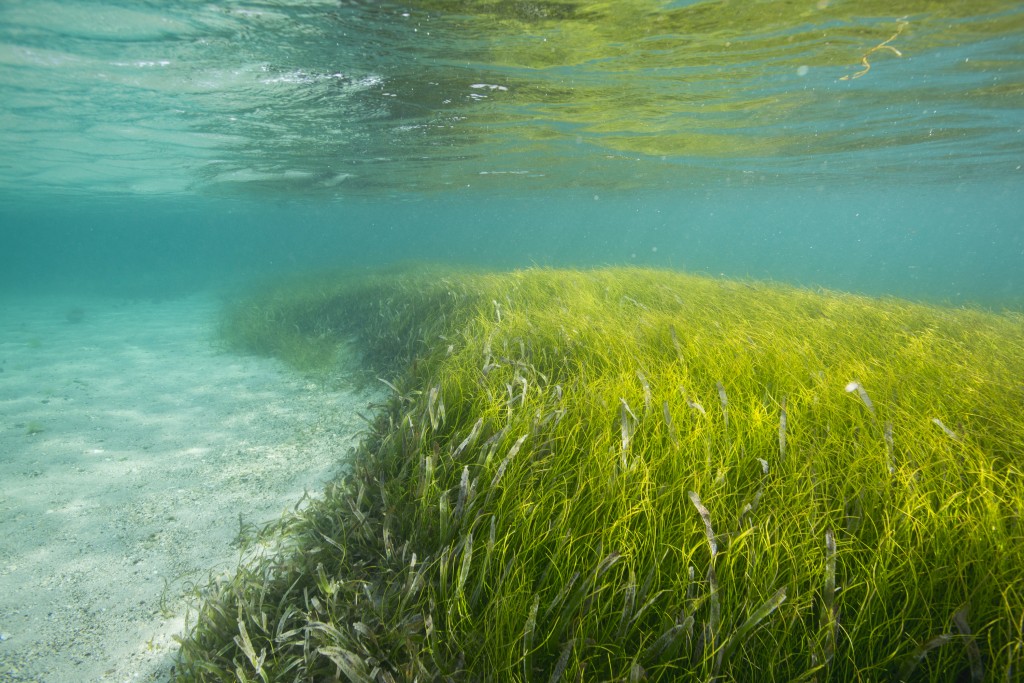
Restoration of seagrasses and mangroves (above) may be a viable strategy to aid in recovery following disturbances. Photo © Tim Calver