by reefres | Nov 30, 2020
Coral Nurture Program
by Cherie Wagner | Nov 30, 2020
Although coral restoration is a popular method of management and conservation of coral reef ecosystems, its ecological basis is under-developed. For example, in addition to well-known restoration methods such as outplanting nursery-raised corals, managers and...
by reefres | Nov 20, 2020 | News, Webinars
A team of experts from the Coral Restoration Consortium’s Monitoring Working Group shared an overview of their new publication ‘Coral Reef Restoration Monitoring Guide: Methods to evaluate restoration success from local to ecosystem scales’. They offered an engaging...
by Liz Shaver | Oct 1, 2020 | News, Training
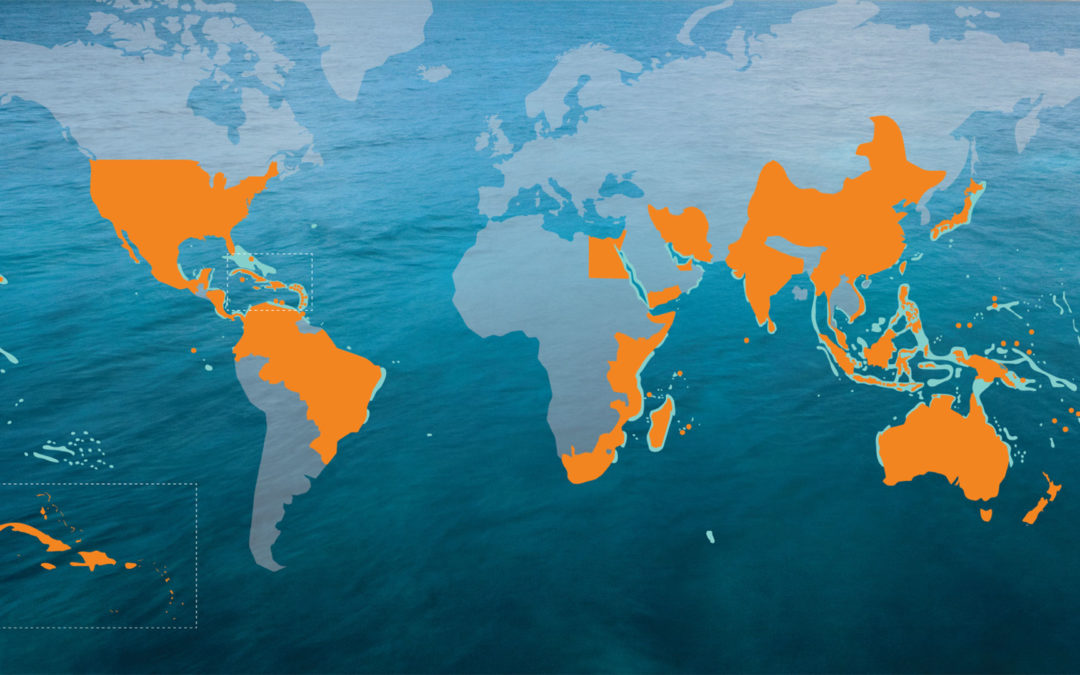
Over twenty participants from Belize received online training to develop theoretical skills needed to become first responders to coral reefs after hurricanes cause reef damage.
by reefres | Aug 13, 2020 | News, Webinars
As we learned in a recent UN report, protection of seagrasses is key to building resilience to climate change. Seagrass meadows are among the most common coastal habitats on Earth. They provide a number of critical services to coastal communities that include:...
by reefres | Jun 19, 2020 | News
New webinar series featuring “building blocks” of resilience-based management from around the globe, brought to you by the Great Barrier Reef Foundation’s Resilient Reefs Initiative in cooperation with the Reef Resilience Network.
by Cherie Wagner | Jun 18, 2020
Management and Interventions for Florida’s Stony Coral Tissue Loss Disease Outbreak
by reefres | Jun 8, 2020
In this study, the authors synthesized the available knowledge in a comprehensive global review of coral restoration methods, incorporating data from the peer-reviewed scientific literature, complemented with grey literature and through a survey of coral restoration...
by reefres | May 19, 2020 | News, Webinars
An outbreak of an epizootic coral disease, known as Stony Coral Tissue Loss Disease (SCTLD), is severely impacting coral reef ecosystems in the Atlantic-Caribbean region.
by reefres | Feb 27, 2020 | News
Many thanks to our members and contributors for all you do to improve one another’s ability to manage and restore the world’s coral reefs!
by Cherie Wagner | Oct 23, 2019 | News
Two new two case studies on emergency and rapid response efforts after major storms that occurred in 2017
by reefres | Aug 23, 2019
Using Coral Restoration and Ecotourism to Increase Local Participation and Financial Benefits
by reefres | Jul 25, 2019 | News, Webinars
Measuring the long-term and large-scale changes to a coral reef community achieved through restoration is something the scientific community has been working towards since restoration efforts began. Watch the Coral Restoration Consortium’s Monitoring Working Group...
by reefres | Apr 4, 2019 | News
Two new two case studies on emergency and rapid response efforts after major storms that occurred in 2017
by reefres | Jan 19, 2019 | News
As we begin 2019, all of us on the Reef Resilience Network Team want to thank you
by reefres | Jul 17, 2018 | Restoration, Webinars
Broadcast live from the Great Barrier Reef Restoration Symposium in Cairns, Australia, experts from around the globe share lessons learned from years working on coral restoration. From offshore coral nurseries, to restoration mitigation techniques, to climate change...
by Liz Shaver | Jun 28, 2018
Abstract: Active restoration initiatives are increasingly considered in natural resource management. Laboratory‐reared coral larvae and recruits have been proposed for stock production but it is unknown if their use impacts subsequent symbiosis once transplanted to...
by Liz Shaver | Jun 4, 2018
Abstract: Applications for electrolysis of seawater include preventing fouling in piping systems, conditioning water for aquaculture and reef restoration. Electrolysis creates a variety of chlorine-produced oxidants that attack essential proteins of living tissues and...
by reefres | Jun 4, 2018
Abstract: Coral reefs are among the most biodiverse and productive ecosystems on Earth, and provide critical ecosystem services such as protein provisioning, coastal protection, and tourism revenue. Despite these benefits, coral reefs have been declining precipitously...
by Liz Shaver | Jun 4, 2018
Abstract: Climate change and other anthropogenic disturbances have created an era characterized by the inability of most ecosystems to maintain their original, pristine states, the Anthropocene. Investigating new and innovative strategies that may facilitate ecosystem...