Coral Reef Resilience – USA, 2013
This learning exchange took place at the American Natural History Museum Island Resilience Symposium. The Reef Resilience Program sponsored and supported six presenters at the symposium.

This learning exchange took place at the American Natural History Museum Island Resilience Symposium. The Reef Resilience Program sponsored and supported six presenters at the symposium.
During this workshop for Caribbean coral reef managers, 14 managers and practitioners from around the region worked with writing experts to write and edit publishable journal and media articles.
During the two trips between the islands, 62 managers, practitioners, and community members learned about successful management practices in each location.
Part of the 4th International Tropical Marine Ecosystems Management Symposium (ITMEMS), this learning exchange included 58 individuals.
This was the 2nd Reef Resilience Conference: Planning for Resilience, with 242 participants.
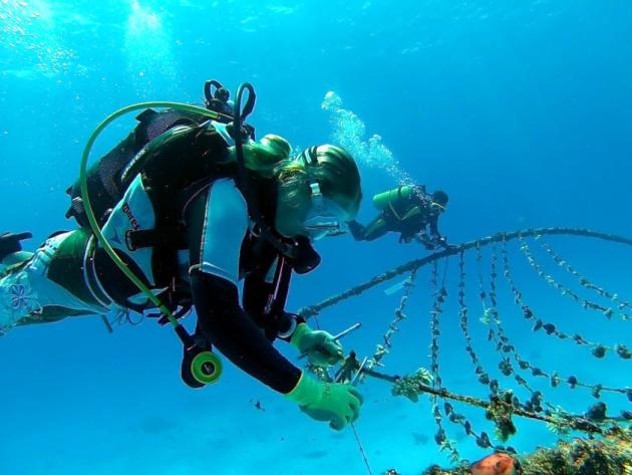
This month we’re highlighting recently developed case studies and webinars about coral reef and fisheries research and management strategies from the Western Indian Ocean (WIO). In showcasing management actions undertaken in the region, we hope to prompt ideas and inspire WIO managers and practitioners, as well as managers around the world. Happy reading and watching!
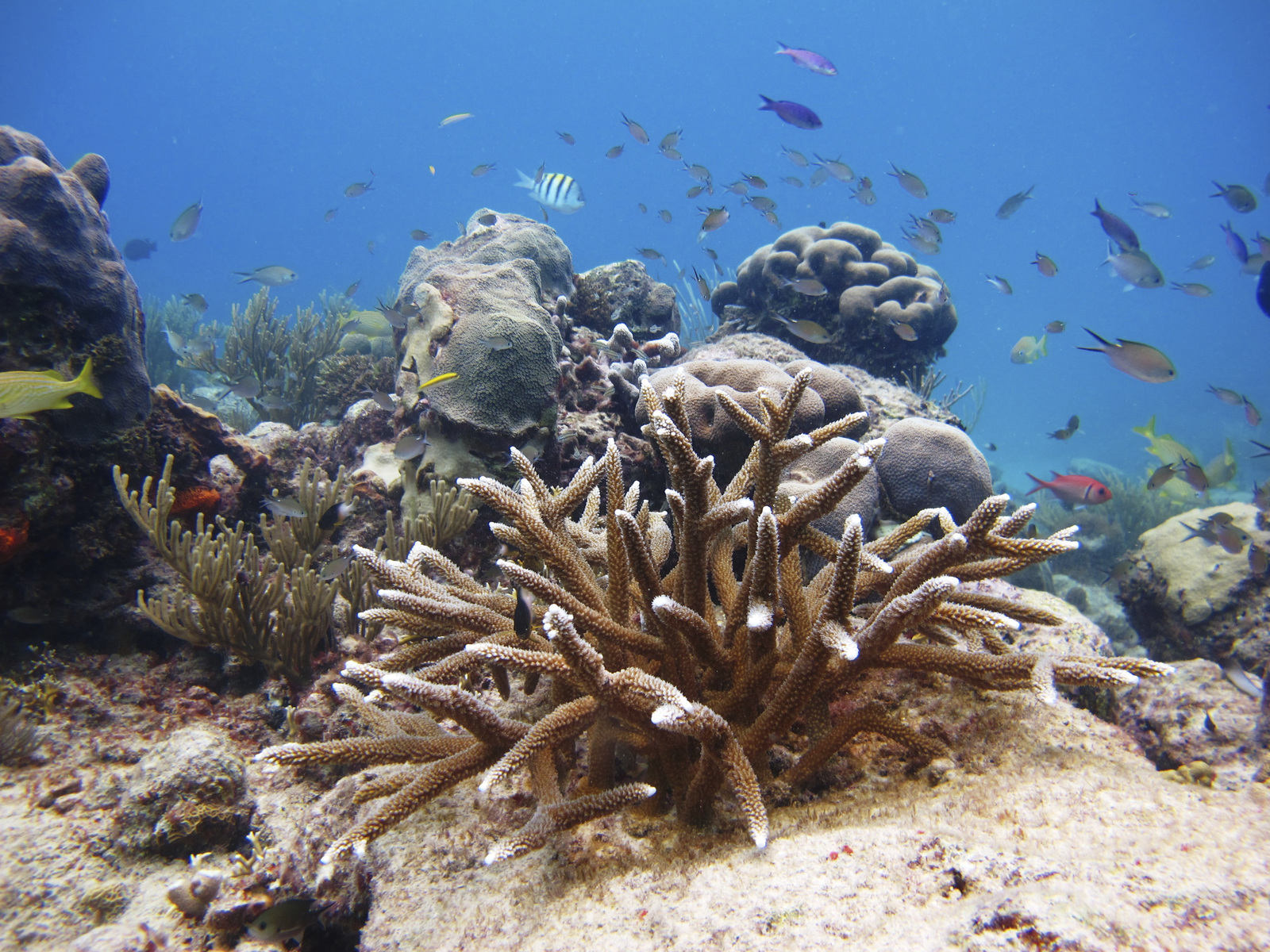
In a new article published today in the world’s leading academic journal, Science, Mark Spalding, Senior Marine Scientist for The Nature Conservancy looks at the broad issues surrounding the current situation of coral reefs and highlights points of hope. “There is growing concern around coral reefs,” said Spalding.
Temporary Reef Site Closures During Coral Bleaching Thermal Stress
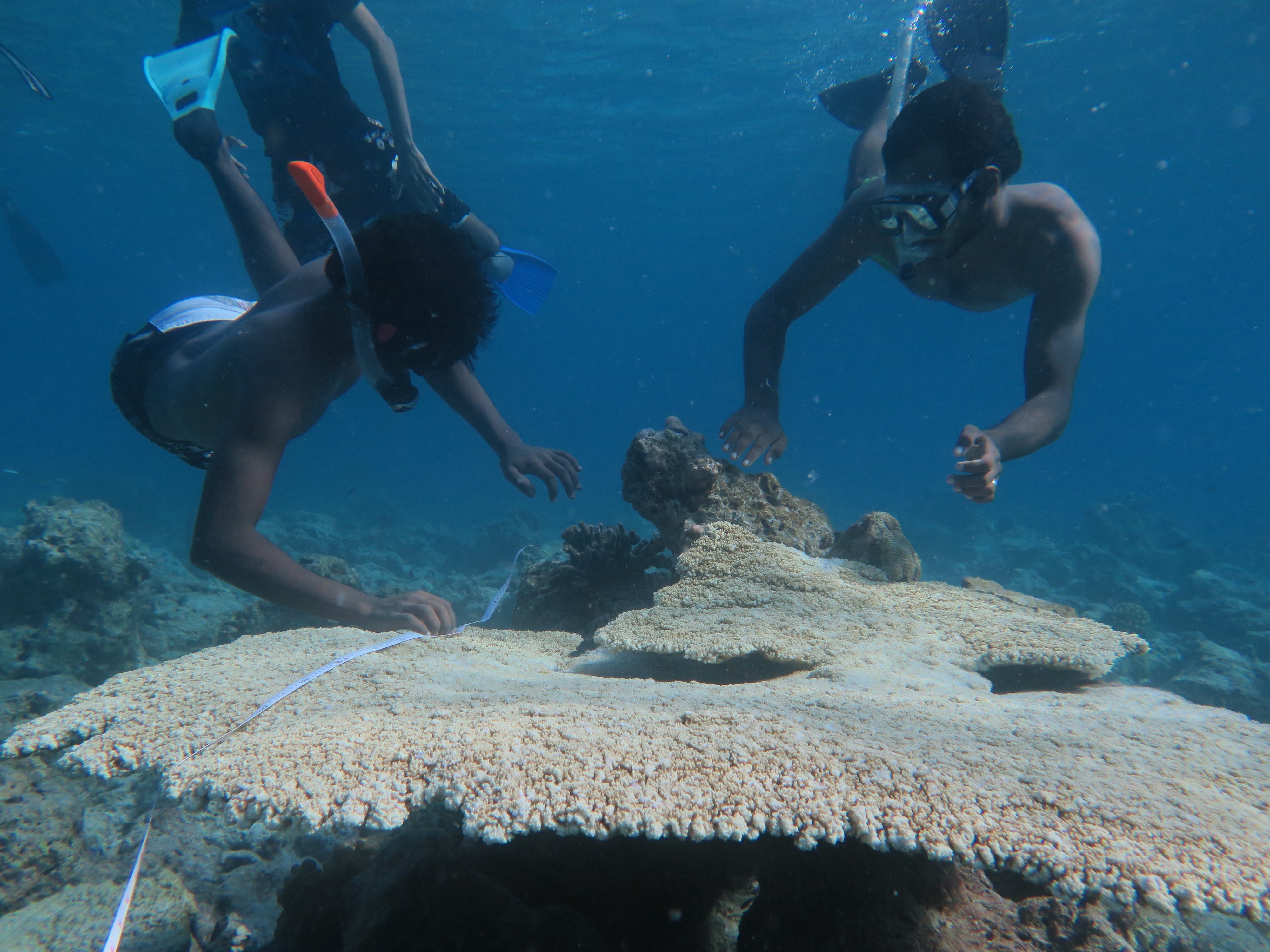
Project REGENERATE, a collaborative conservation science and management project to enhance the resilience of social-ecological coral reef systems in the Maldives, supports the sustainable management of coastal resources, particularly coral reefs, in order to build economic, social, and environmental resilience to the adverse effects of climate change.

This new handbook provides tools, information, and management recommendations for coral reef managers highlighting the latest scientific research on reefs and resilience to inform management actions.
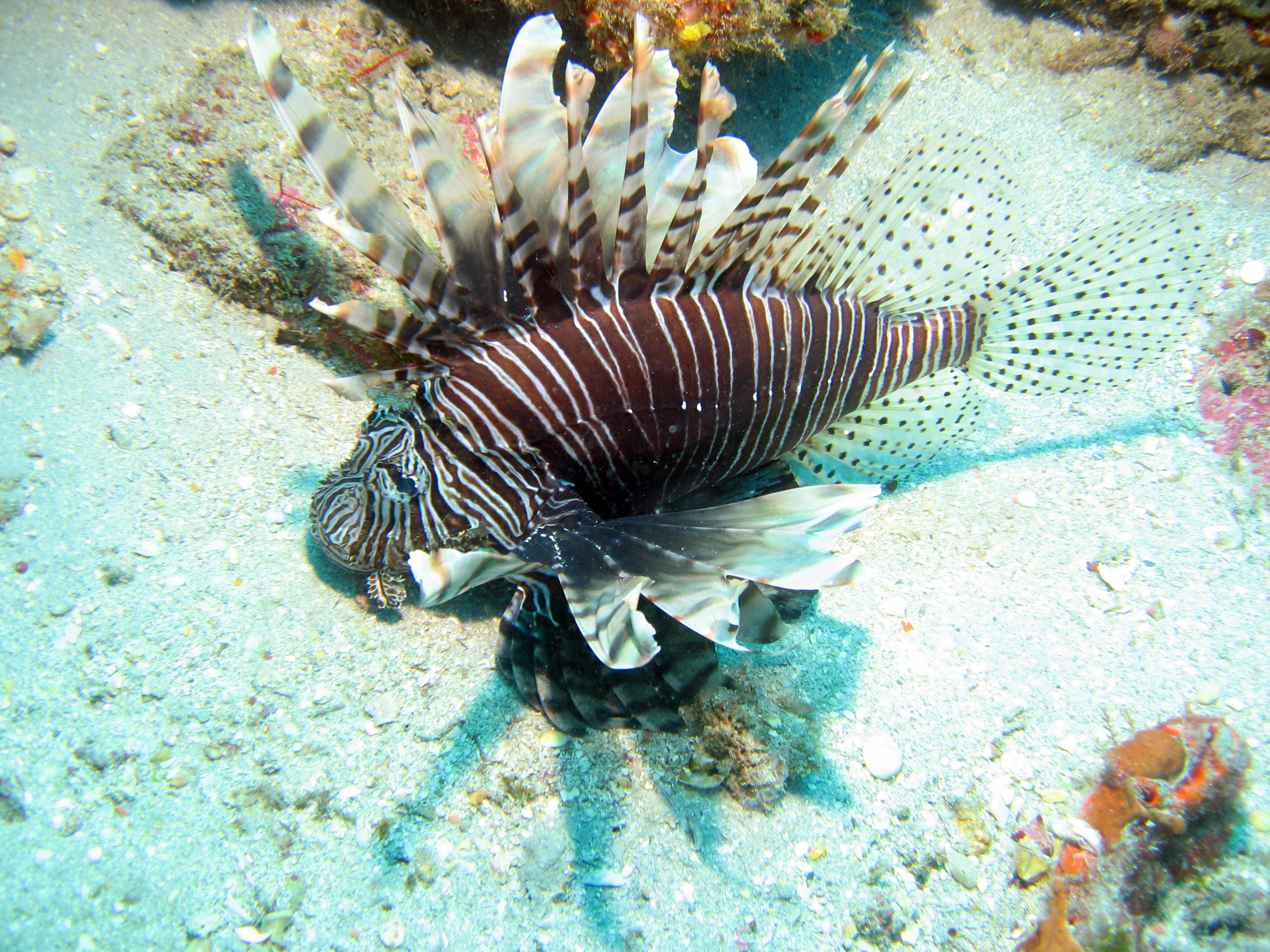
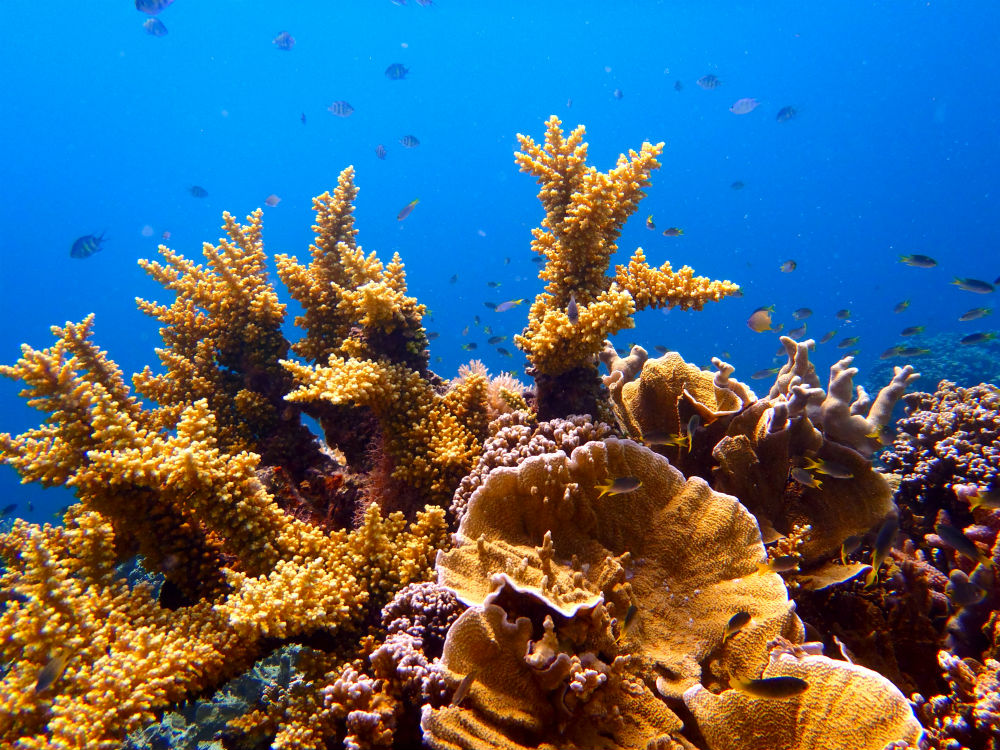
A group of researchers found that intact coral reefs reduce wave energy by 97% and wave height by 84%. The study, published recently in the journal Nature Communications found that the risk reduction provided by reefs is relevant to some 200 million people worldwide.